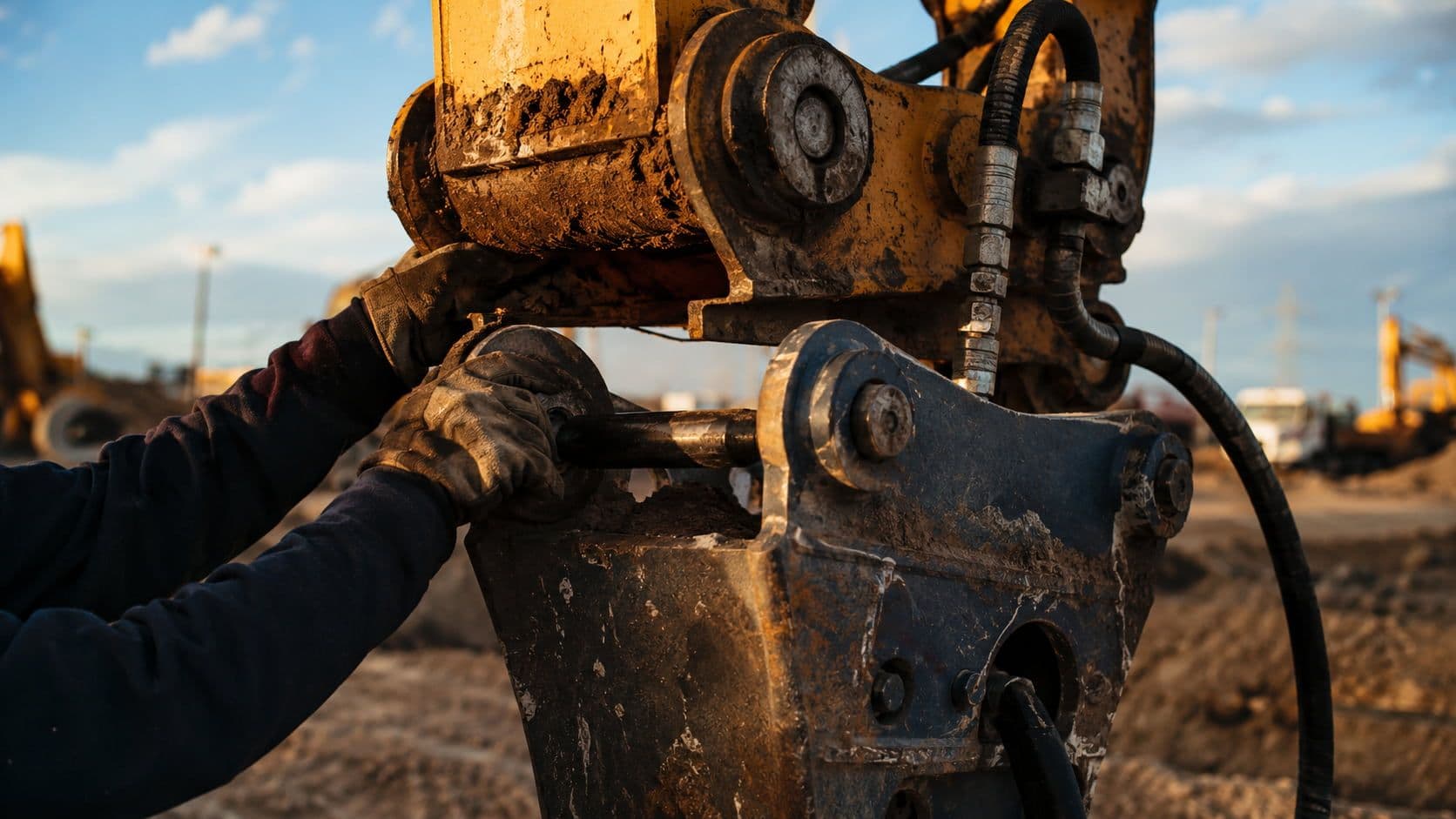
Rental attachment tracking puts a GPS or BLE tag on the breakers, augers, buckets, grapples, plate compactors and light towers that move between your yards and job sites — the gear that's easy to lose track of and expensive to replace. Attachments rarely have a VIN, they get swapped between machines and customers constantly, and they walk off the back of a job more often than any excavator ever will. With asset tracking priced per asset, you can finally see every coupler, hammer and tower the way you already see your big iron.
- Attachments typically run $2,000–$40,000 apiece — high enough to matter, low enough that they slip out of the asset register.
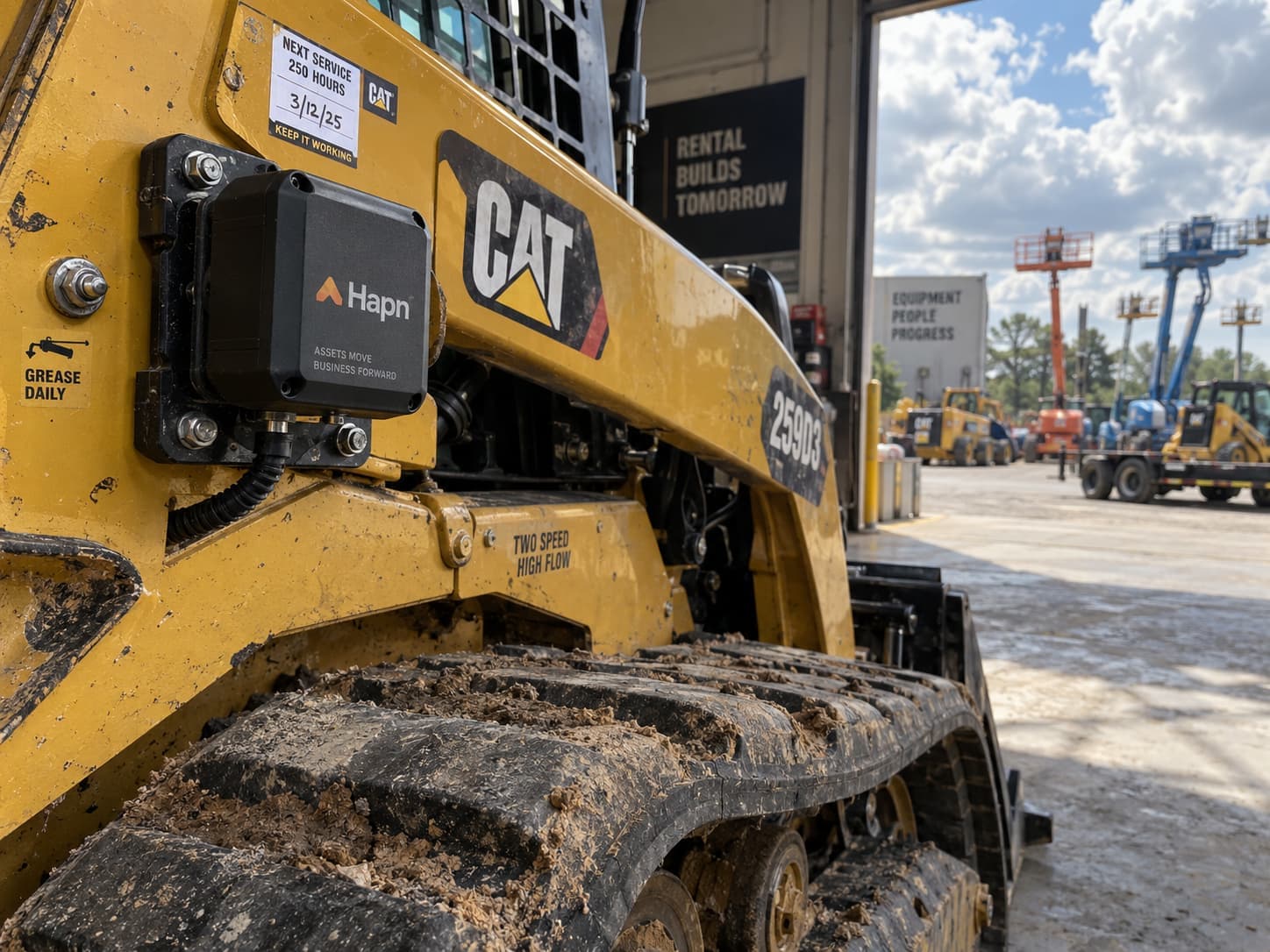
- Hapn tracks non-powered attachments (buckets, breakers, augers, grapples) on the $10/mo battery/wired asset tier; powered attachments like plate compactors and light towers fit the $13/mo equipment tier with utilization.
- Pricing is per asset, not per yard — adding a location doesn't multiply your bill the way per-site rental software does.
- BLE + Hapn Sites keeps attachments visible inside covered yards and service bays where GPS goes dark — no WiFi build-out.
- Quote-based setup turns around in about 24 hours, with two commercial models: 3-year all-hardware-included, or 1-year with hardware purchased at cost.
Attachments are the gear that quietly goes missing
Every rental operator can tell you where their excavators and skid steers are. Ask them where the hydraulic breaker that shipped with the excavator is, or which yard has the 24-inch auger, or whether that plate compactor came back from the last job — and the answer gets fuzzy. Attachments are the blind spot in almost every rental fleet, and it's not because operators are careless. It's because attachments break every assumption the rest of the fleet runs on.
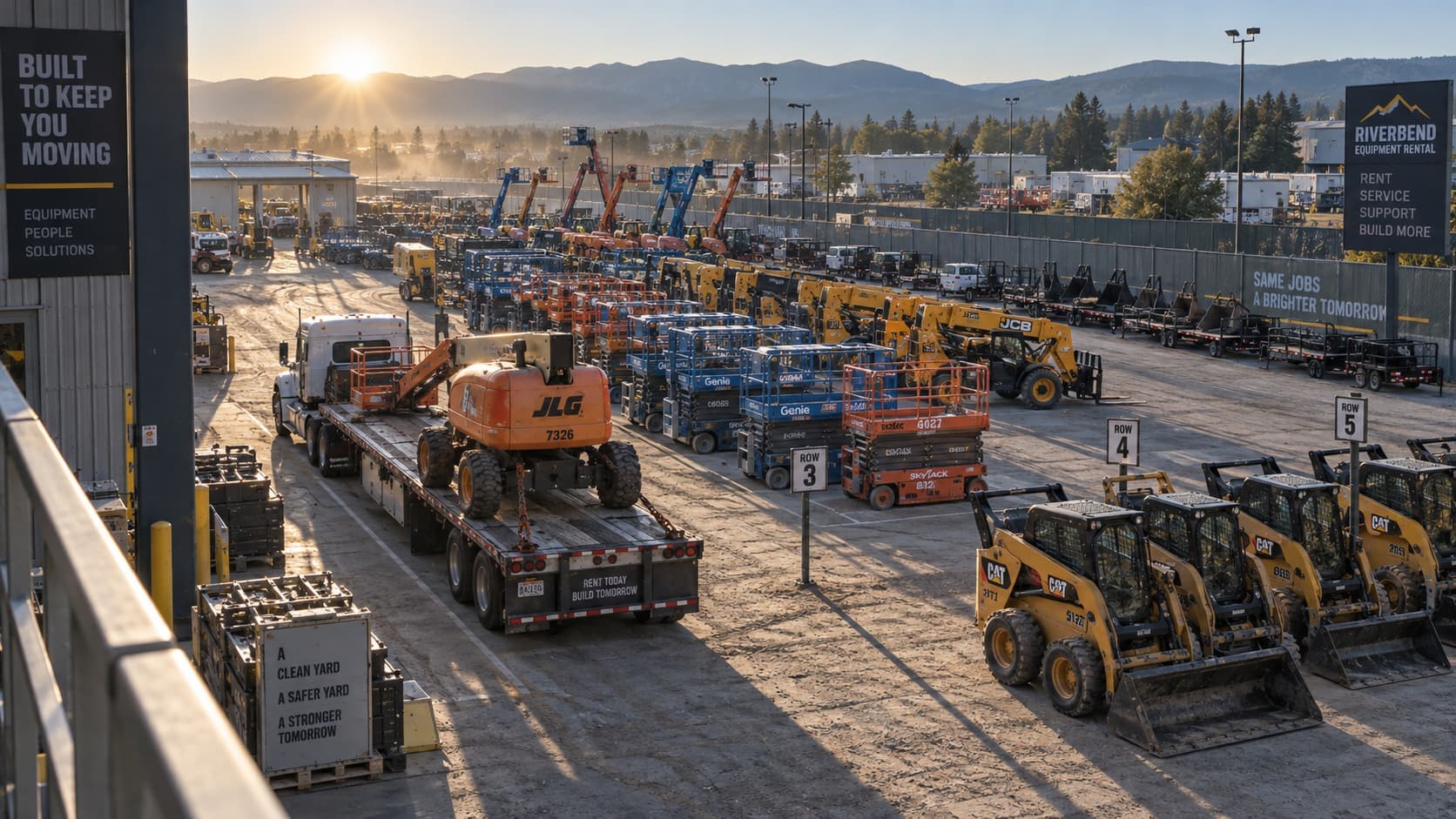
A machine has a VIN, a telematics port, a dedicated spot in the yard, and a driver who signs for it. An attachment has none of that. It gets pinned to a coupler in the morning, swapped to a different machine after lunch, loaded onto a customer's trailer for a three-day rental, and set down behind the wash bay when it comes back. No serial-number scan, no engine to phone home, no obvious owner. Multiply that by a few hundred couplers, buckets and towers across five yards and you have a category of high-value inventory that lives almost entirely off the books.
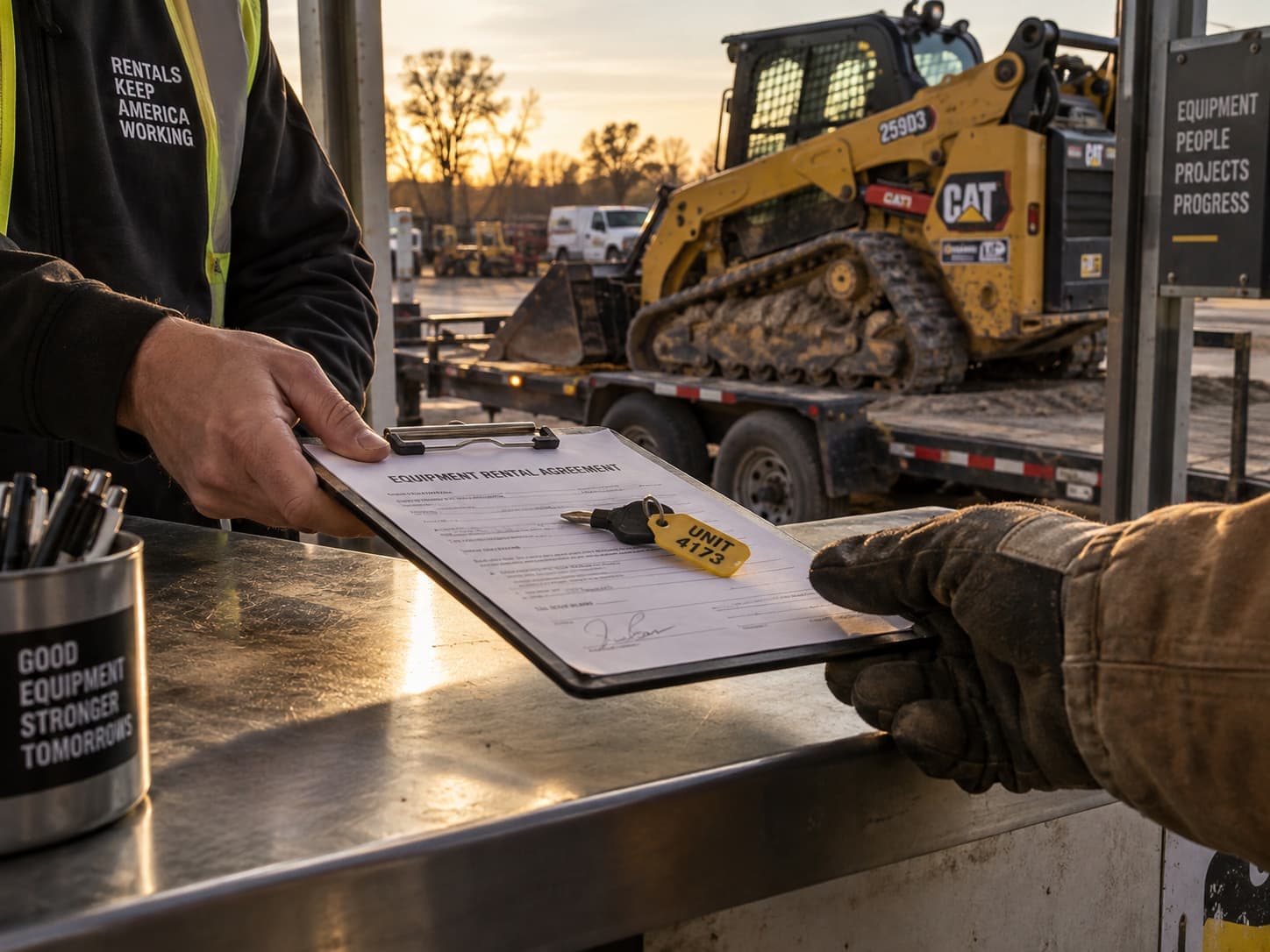
The cost shows up in three places. Shrinkage: attachments are small, valuable, and trivially easy to walk off a site, which is why they're a favorite target for theft. Utilization blindness: you can't bill for — or right-size your purchasing of — gear you can't count. And disputes: when a customer swears the breaker went back on the truck and your yard swears it didn't, you have no timestamped record either way. Tracking the attachment closes all three gaps at once.
In an equipment-rental fleet, an attachment is the working tool that mounts to a host machine or stands alone on a site — hydraulic breakers and hammers, augers, grapples, buckets, plate compactors, rammers/tampers and light towers. Attachments usually cost $2,000–$40,000, rarely carry a VIN, and move between machines, yards and customers far more often than the machines themselves.
What attachment tracking has to do that machine tracking doesn't
Tracking an attachment isn't just "put a tracker on a smaller thing." The job is genuinely different from tracking the host machine, and getting it right is what separates a tag that survives a season from one that dies in a month.
First, most attachments have no power of their own to draw from. A hydraulic breaker runs off the excavator's hydraulics; a bucket has no power at all. That means the tracker has to be a self-contained, long-life battery or a wired unit sized for the duty — not something that assumes an always-on 12V feed. Second, attachments take abuse: vibration, impact, dust, and the occasional drop. The hardware has to be rugged and mounted where it won't get sheared off. Third, attachments spend real time indoors or under cover — racked in a warehouse, sitting in a service bay, stacked under a canopy — where satellite GPS simply doesn't reach.
That last point is where BLE matters. Hapn pairs GPS for outdoor and in-transit visibility with Bluetooth-based Sites for the covered-yard and indoor gaps, so an attachment doesn't vanish from the map the moment it's racked inside. Powered attachments — plate compactors, rammers, light towers — can go a step further and report runtime and utilization, so you know not just where the gear is but whether it's actually earning.
A Site is a Bluetooth Low Energy (BLE) coverage area — a warehouse, service bay or covered yard — where inexpensive BLE readers pick up an asset's tag and keep it visible even when satellite GPS can't. It closes the indoor blind spot without a WiFi build-out, which is exactly where racked attachments tend to disappear from the map.
How Hapn tracks each attachment class
| Attachment class | Powered? | What Hapn captures | Tier |
|---|---|---|---|
| Buckets, grapples, forks | No | Location, geofence in/out, last-seen, movement alerts | $10/mo asset |
| Hydraulic breakers & augers | Machine-fed | Location, theft/movement alerts, covered-yard visibility via Sites | $10/mo asset |
| Plate compactors & rammers | Yes (own engine) | Location plus runtime/utilization | $13/mo equipment |
| Light towers & tow-behind generators | Yes | Location, runtime, and engine/telematics where supported | $13–$18/mo |
Illustrative mapping — for shape, not a signature. Exact hardware and tier depend on the attachment; a Hapn quote confirms the fit.
See exactly what per-asset attachment tracking costs across your yards.
Get Hapn pricing →Per-asset pricing is what makes attachment tracking pencil out
The reason most rental operators don't track attachments isn't that they don't want to — it's that the math never worked. If your software bills per yard or per site, adding a few hundred low-cost attachments across five locations looks like it triples your cost. So attachments get left off, and the blind spot persists.
Hapn charges per asset, not per site. A bucket costs the same $10/mo to track whether it lives at one yard or rotates through all five, and opening a sixth location doesn't multiply the bill — you just add the assets that actually go there. That's the same wedge that changes the equation for multi-yard operators generally, and it's spelled out in detail in our breakdown of per-asset vs per-site pricing. For a category as numerous and mobile as attachments, per-asset is the difference between "worth it" and "never mind."
Both commercial models are per-asset. The 3-year agreement includes all hardware, install kits and dash cams at no upfront cost — no capex to put a tag on a hundred attachments. Or choose a 1-year agreement and buy the hardware at cost. Either way you're paying for the assets you track, and volume discounts apply as the count grows. This is the same platform and pricing our equipment-financing and dealer-network customers run on distributed installed bases — see how it plays out in the C3 Rentals story.
Rolling it out without a second system to babysit
Attachment tracking only sticks if it fits the way you already work. Hapn is the location-and-status layer, not another system of record — its open API feeds the rental software you already run, so you're not re-keying inventory or teaching your yard team a second platform. If you're on equipment rental tracking through Quipli, Point of Rental or Renterra, Hapn rides alongside it and pushes location and utilization into the workflow your branch managers already live in.
Practically, the rollout looks like this: tag the high-value and high-loss attachments first — breakers, augers, towers, anything that has walked off before — then fill in the rest by yard. Geofence each location so you get a movement alert the moment a tagged attachment leaves without a matching contract. Use the last-seen record to settle "did it come back?" disputes with a timestamp instead of a shouting match. And for the powered attachments, let utilization tell you which units are earning and which are just occupying space you could rent to something else. This is deliberately narrower than tracking a whole machine, and narrower than general light equipment management — attachments are their own problem, and they deserve their own visibility.
The Hapn team builds GPS and BLE tracking for equipment-rental businesses, multi-yard dealers and equipment financiers — the operators who need visibility that scales with their fleet, not their real estate. Hapn tracks assets, attachments and powered equipment on one per-asset platform.
Frequently asked questions
How do you track rental attachments?
You put a self-contained GPS or BLE tag on each attachment and manage them on a tracking platform. Non-powered attachments like buckets and breakers use a long-life battery or wired tag for location, geofencing and theft alerts; powered attachments like plate compactors and light towers can also report runtime. Hapn pairs GPS with Hapn Sites so attachments stay visible even racked indoors or in a covered yard.
Does Hapn charge per attachment or per yard?
Per attachment. Hapn's pricing is per tracked asset, not per site or per yard, so a bucket costs the same to track no matter which location it lives at, and adding a yard doesn't multiply your bill. Most rental and dealer software charges per site, which is exactly why attachments usually get left untracked.
Can you track non-powered attachments like buckets and hydraulic breakers?
Yes. Non-powered and machine-fed attachments — buckets, grapples, augers and hydraulic breakers — use battery or wired tags on Hapn's $10/mo asset tier, giving you location, geofence in/out, last-seen records and movement alerts without needing any onboard power of their own.
What does attachment GPS tracking cost?
Non-powered attachments start at $10 per asset per month; powered attachments that report utilization fit the $13 equipment tier, and engine-telematics units are $18. Hardware is included at no upfront cost on the 3-year agreement, or you can buy the hardware at cost on a 1-year agreement. Volume discounts apply and a quote turns around in about 24 hours.
How is tracking an attachment different from tracking the machine?
Machines have a VIN, onboard power and a telematics port; attachments usually have none of those and move between machines, yards and customers far more often. So attachment tracking relies on self-powered, rugged tags and on BLE for the covered-yard gaps, rather than an always-on engine feed — which is why it's a distinct job from tracking the host machine.
Track breakers, augers, buckets and towers per asset — across every yard, indoors and out.
Get Hapn pricing →Last Updated: July 28, 2026
Explore Hapn on a live equipment fleet
Click around the real platform — a live mixed fleet with dummy data. No sales call, takes a few minutes.
Get the latest news straight to your inbox.
Share Article
