
Hapn vs GPS Insight comes down to a single question: what does your fleet actually look like? GPS Insight is a capable mid-market fleet tracker — strong in service vans, utility trucks, and municipal vehicle fleets. Hapn is built for operations where vehicles are only part of the picture, and excavators, trailers, generators, dumpsters, and jobsite zones make up the rest. If you're running a mixed fleet — or growing in that direction — GPS Insight starts to thin out exactly where Hapn starts to shine.
Key Takeaways
- Hapn tracks 463,000+ assets across 50,000+ customers in 50+ industries — built for mixed vehicle + equipment fleets from day one.
- Hapn publishes per-asset pricing on its website and offers a 3-year agreement with all hardware included at no upfront cost, or a 1-year agreement with hardware purchased at cost; GPS Insight is quote-only and most customers report annual commitments as standard.
- Hapn includes zone tracking via Hapn Sites (low-cost tags, no WiFi required) for indoor and yard visibility; GPS Insight does not offer a comparable product.
- Hapn has recovered $720M+ in stolen assets and maintains 99.9% platform uptime, processing 4+ billion messages annually.
- Hapn supports heavy equipment telematics via CAN bus (J1939) including engine hours, runtime, fault codes, and diagnostics — data GPS Insight's vehicle-first hardware is not designed to capture.
Why This Comparison Matters
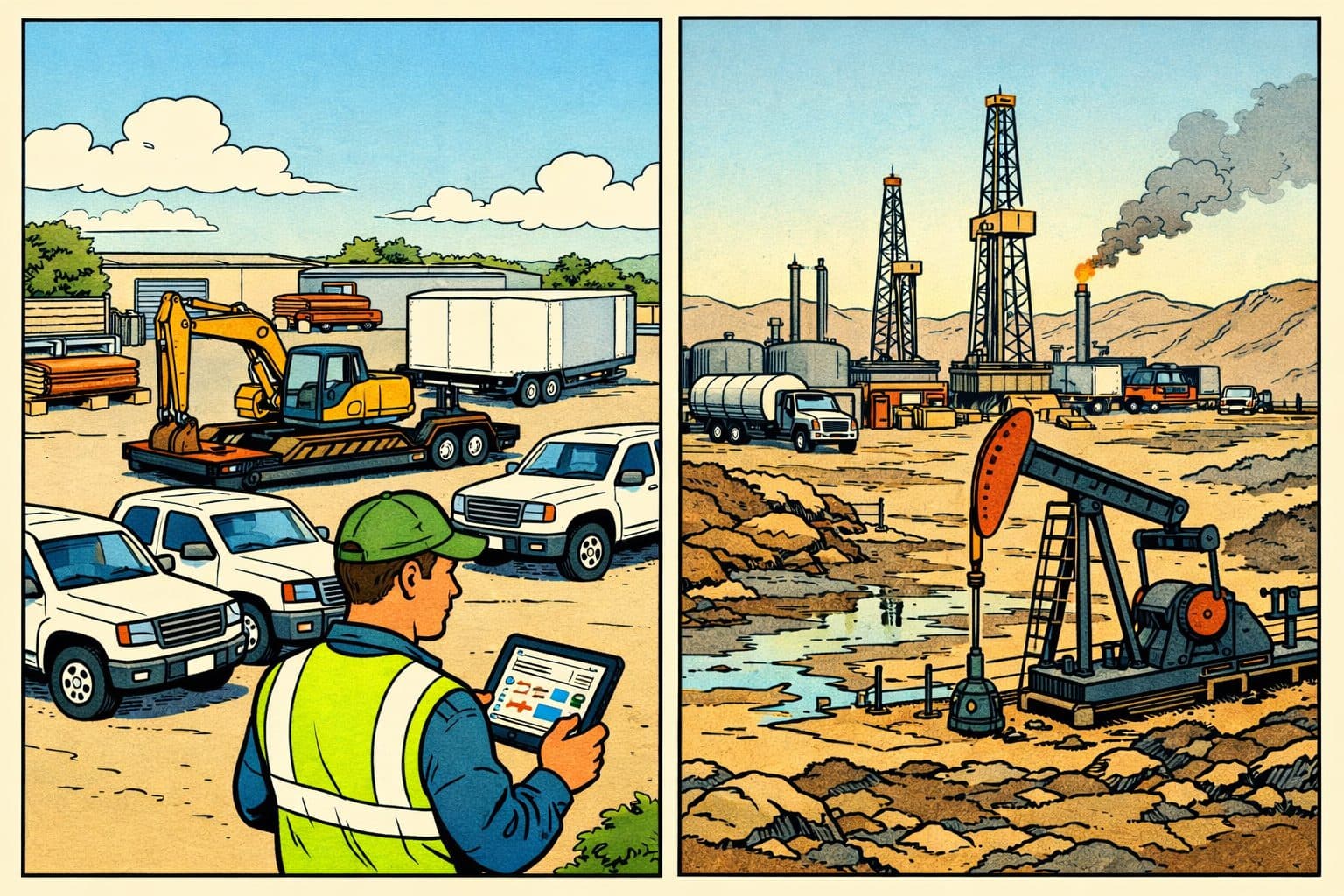
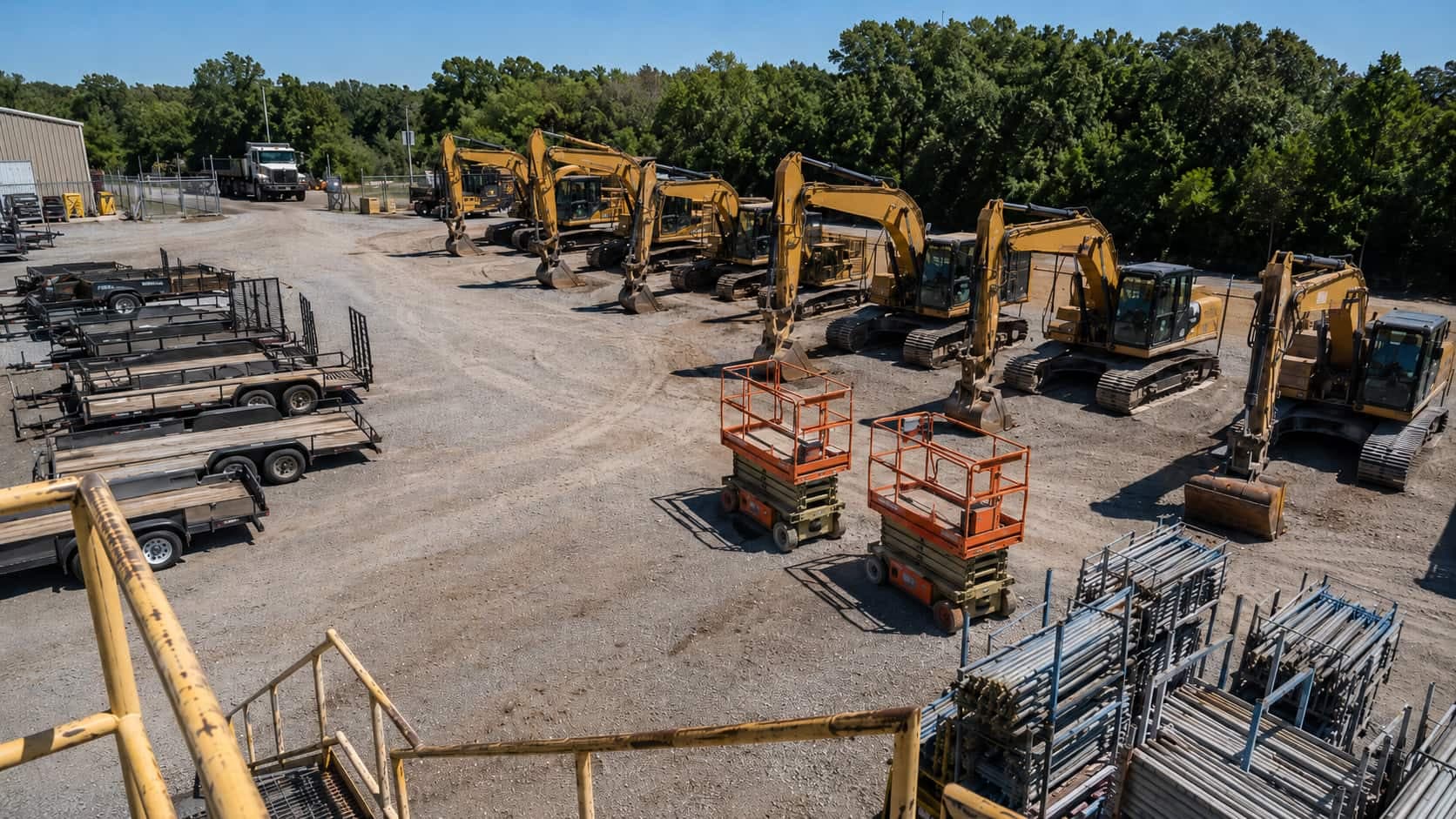
The fleet tracking market is splitting into two camps. On one side: vehicle-first trackers that grew out of the ELD compliance wave — Samsara, Motive, Verizon Connect, and GPS Insight. On the other: platforms built for the reality of modern operations, where a single dispatcher manages service vans, pickup trucks, excavators, skid steers, generators, and trailers, often across multiple jobsites.
GPS Insight sits firmly in the first camp. Their core strengths are vehicle diagnostics, driver scorecards, and compliance reporting. Those are real capabilities — and if your fleet is 90%+ service vans or utility trucks, GPS Insight can handle the job.
The question buyers ask us most often is: "We started on a vehicle-only tracker. Now we've added equipment and unpowered assets. Do we add a second system, or switch?" That's where this comparison gets practical.
What is a mixed fleet?
A mixed fleet is any operation that tracks both powered vehicles and non-vehicle assets — including heavy equipment, trailers, generators, and unpowered tools. Mixed fleets need hardware and software that handle diagnostic richness (for equipment), route and driver analysis (for vehicles), and long battery life (for unpowered assets) on a single platform.
The Core Difference: Vehicle-First vs. Mixed-Fleet DNA
GPS Insight was built around vehicles — specifically service vans, utility trucks, and municipal fleets. The platform works well for tracking routes, driver behavior, idle time, and compliance. Adding heavy equipment or unpowered assets to a vehicle-first platform tends to look like an afterthought: limited hardware SKUs, simplified data, and geofencing designed for streets and stops rather than jobsites and yards.
Hapn was built from the ground up for mixed fleets. The same dashboard monitors:
- Light-duty and heavy-duty vehicles (OBD or hardwired) via Hapn Vehicle Tracking
- Heavy equipment via CAN bus (J1939) with engine hours, runtime, and fault codes through Equipment Tracking
- Battery-powered trackers for trailers, generators, and dumpsters via Asset Tracking
- Tagged assets for indoor and yard visibility via Hapn Sites
- OEM equipment data (John Deere, Caterpillar, Komatsu, Volvo) through AEMP-compliant integrations
If you're running mixed iron, that integration matters — not as a feature checklist, but as a day-to-day operational reality. One login, one map, one alert stream, one source of truth. For more on why that matters, see our guide to stopping portal-hopping across mixed OEM fleets.
Feature-by-Feature Comparison
| Dimension | Hapn | GPS Insight |
|---|---|---|
| Contract terms | 3-year (hardware included) or 1-year; additions prorated to one end date | Annual minimum typical |
| Pricing transparency | Published on website | Quote-only, sales-led |
| Hardwired vehicle trackers | Yes | Yes |
| Heavy equipment CAN bus (J1939) | Yes (engine hours, fault codes, diagnostics) | Limited |
| Battery-powered asset trackers | Yes (IP67, OTA configuration) | Limited SKU |
| Indoor/yard zone tracking | Yes (Hapn Sites) | No |
| Jobsite geofencing | Nested zones, customizable alert matrix | Basic geofences |
| OEM integration (AEMP / ISO 15143-3) | Yes (major OEMs) | Vehicle-OEM focus |
| AI dash cameras | Yes | Yes |
| Driver scorecards | Standard (API-extensible) | Deeper out of the box |
| Open API | Production-grade (own products run on it) | Available |
| Platform uptime | 99.9% | Not publicly disclosed |
| Customer count | 50,000+ across 50+ industries | Not publicly disclosed |
| Assets tracked | 463,000+ | Not publicly disclosed |
| Setup time | Hours (DIY-friendly) | Weeks (sales-led) |
Pricing and Contract Terms
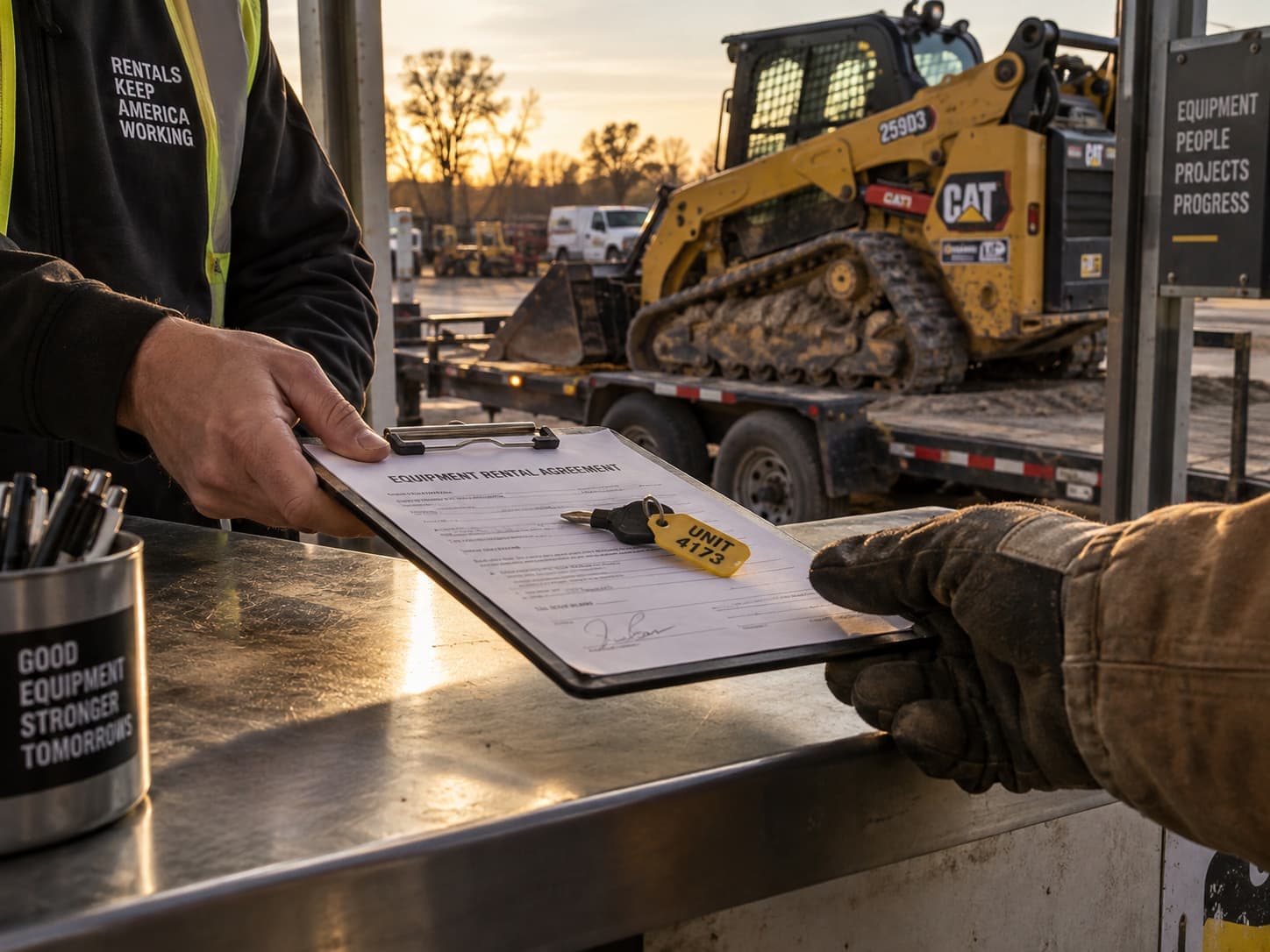
GPS Insight is sales-led. Pricing is quote-only, and customers consistently report annual commitments as standard. For a mid-sized fleet, the quote process typically takes two to three weeks of back-and-forth before hardware ships.
Hapn is transparent. Pricing is published at gethapn.com/pricing/. The standard agreement is 3 years, with all tracking hardware, dash cams and install kits included at no upfront cost. A 1-year agreement is also available, with hardware purchased at cost.
The practical difference shows up as you grow. If you start with 10 pieces of equipment and add the rest of the fleet later, ask each vendor whether the added devices start a new term or are prorated onto the existing agreement. Hapn prorates them, so the whole fleet keeps one start date and one end date.
Total Cost of Ownership Over 3 Years
Consider a 200-asset mixed fleet: 100 service vehicles, 80 pieces of heavy equipment, and 20 trailers. The three-year cost picture looks different depending on how a vendor structures the deal.
With an annual-commitment structure, the three-year cost of ownership typically includes:
- Upfront hardware (often at a term-tied discount)
- Annual subscription fees
- Automatic renewal clauses with price escalators (commonly 3-7% per year in reseller contracts)
- Early-termination fees if the fleet needs to exit
With Hapn's standard 3-year agreement, the cost stack is:
- All tracking hardware, dash cams and install kits included at no upfront cost (or hardware purchased at cost on a 1-year agreement)
- Flat monthly per-asset fees with no scheduled escalation
- Assets added later prorated onto the existing agreement, so the fleet keeps one end date
Illustrative scenario, not a Hapn quote: a 200-asset mixed fleet on a three-year annual-renewal contract with a 5% annual escalator pays roughly 10% more per asset in Year 3 than in Year 1. Across 200 assets over 36 months, that compounding delta adds up, so ask every vendor whether renewals carry an escalator and whether devices added mid-term start a new term or are prorated to one end date. For a deeper breakdown of fleet economics, see our best GPS tracker for heavy equipment guide.
Who Should Choose Which
Choose GPS Insight if:
- 80%+ of your fleet is vehicles (service, utility, delivery, municipal)
- Deep driver-behavior scoring is a high priority
- You have existing integrations with their CMMS or fuel-card partners
- You have no meaningful unpowered asset or indoor-zone visibility needs
Choose Hapn if:
- You run a mixed fleet — vehicles plus heavy equipment plus unpowered assets
- You want transparent per-asset pricing with hardware included at no upfront cost
- You need jobsite geofencing, indoor zone tracking, or heavy equipment CAN bus data
- You operate in construction, equipment rental, industrial, or similar verticals
- You want assets you add later prorated onto one agreement end date
If you run a very small service fleet — under ten vehicles — and just need a basic GPS tracker without the platform depth, our sister brand Spytec GPS is a simpler fit at the SMB end of the market.
Migration Considerations
The most common question from GPS Insight customers looking at Hapn: "What does a migration actually look like?" Three things to know:
1. Hardware compatibility
GPS Insight devices are tied to their platform and can't be ported. A full migration means swapping hardware — but you can stage it asset-by-asset rather than all at once. Hapn's device provisioning is built for phased deployments.
2. Contract timing
If you're mid-contract with GPS Insight, the cleanest path is to add Hapn on new assets first — trailers, equipment, new vehicles — and cut over the existing vehicle fleet at GPS Insight renewal. This avoids early-termination charges and gives your team time to get fluent in the Hapn platform before the bigger cutover.
3. Data export and parallel-run
GPS Insight supports data export. Plan for a 30-day parallel-run period so your team has access to historical reports while Hapn becomes the source of truth. A phased migration on a 200-asset fleet typically runs 60-90 days end-to-end.
Hapn also offers theft-recovery services during transition — which matters because the swap window is often when assets are most exposed. For a broader view of what tracking looks like across a modern construction operation, see our 2026 guide to GPS tracking for construction equipment.
Written by the Hapn Team
Hapn provides GPS fleet and asset tracking for 50,000+ customers across construction, equipment rental, and 50+ other industries. Our platform monitors 463,000+ assets and processes over 4 billion messages annually with 99.9% uptime.
Frequently Asked Questions
How does Hapn pricing compare to GPS Insight?
Hapn publishes pricing transparently at gethapn.com/pricing/ and offers a 3-year agreement with all hardware included at no upfront cost, or a 1-year agreement with hardware purchased at cost. Assets you add later are prorated onto your existing agreement, so you keep one start and end date. GPS Insight is quote-only and typically requires annual commitments; exact figures vary by deal size and negotiation. When comparing, ask about renewal escalators and whether added devices start a new term.
Can I switch from GPS Insight to Hapn mid-contract?
Yes. The common approach is a phased migration: add Hapn to new assets — trailers, equipment, new vehicles — first, then cut over existing vehicles at GPS Insight contract renewal. This avoids early-termination fees. A 200-asset migration typically takes 60-90 days end-to-end, including a 30-day parallel-run period.
Does GPS Insight track heavy equipment and trailers?
GPS Insight's core product is vehicle telematics. They offer asset-tracker SKUs, but their platform is optimized for vehicle data — route, idle, driver behavior — rather than the engine-hour, CAN bus, and jobsite-zone data that heavy equipment and unpowered assets actually require. Mixed-fleet customers often end up running a second system alongside GPS Insight for their non-vehicle assets.
What is the best GPS Insight alternative for construction fleets?
For mixed construction and rental operations — excavators, skid steers, trailers, generators, and service vehicles on one platform — Hapn is purpose-built. It is the most complete mixed-fleet alternative to a vehicle-first platform like GPS Insight, with CAN bus heavy equipment data, battery-powered asset trackers, and zone tracking for jobsite and yard visibility.
Does Hapn offer driver scorecards like GPS Insight?
Yes. Hapn includes driver scorecards, trip history, speed alerts, and idle-time reporting as part of the standard vehicle tracking product. GPS Insight's driver scorecards are somewhat deeper out of the box; Hapn's are sufficient for most fleets and extensible via the Hapn open API for custom scoring logic.
Is Hapn a fit for a fleet that is mostly vehicles?
Yes, especially if you value transparent pricing, hardware included at no upfront cost, and a platform that won't force you to add a second system when you add equipment or unpowered assets later. If your fleet is and will stay 90%+ service vans with deep driver-safety scoring as the top priority, GPS Insight is a defensible choice.
Stop Guessing. Start Tracking.
See how Hapn gives you complete visibility across your mixed fleet — vehicles, equipment, and assets in one platform. Transparent pricing.
Get Pricing →Explore Hapn on a live equipment fleet
Click around the real platform — a live mixed fleet with dummy data. No sales call, takes a few minutes.
Get the latest news straight to your inbox.
Share Article
