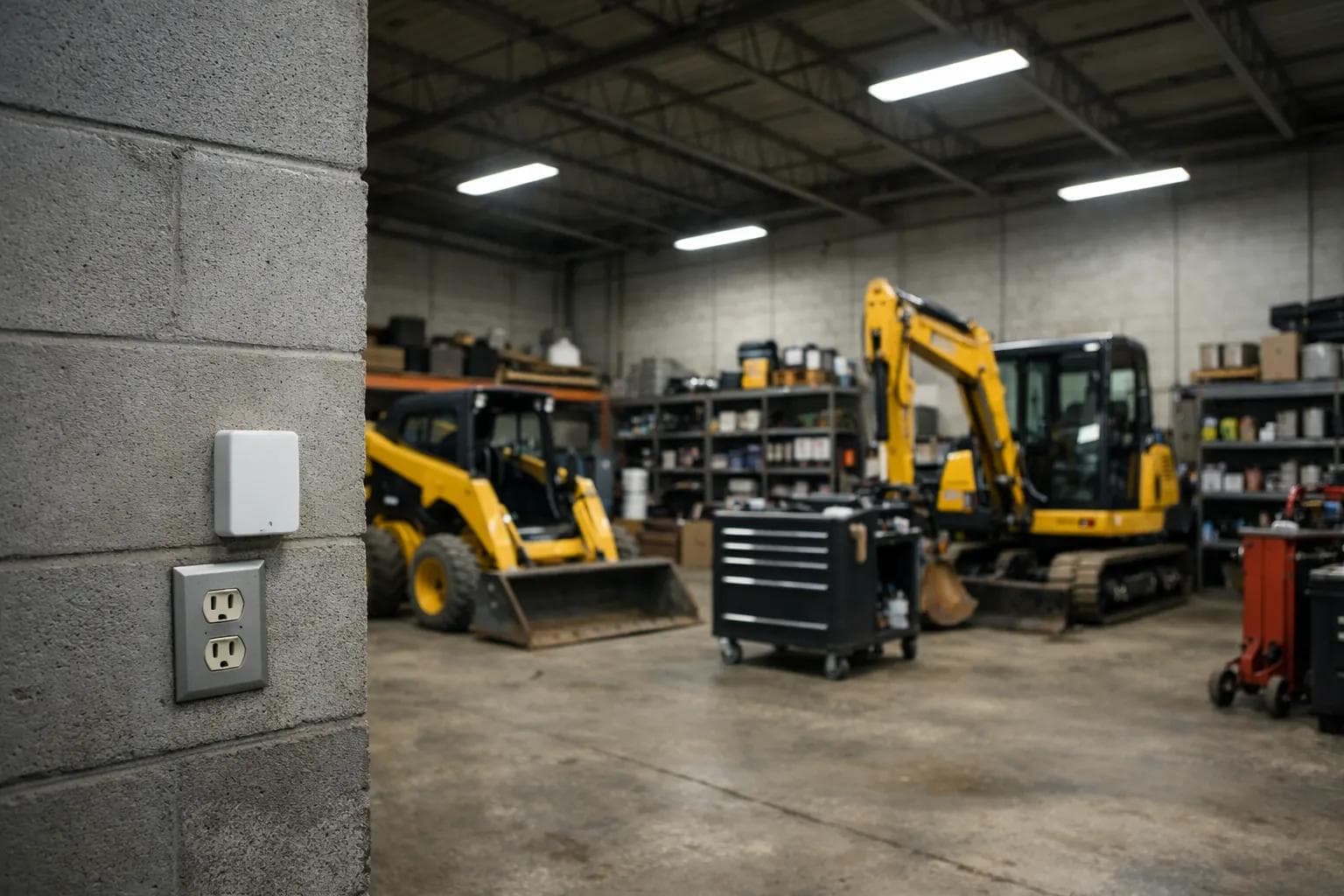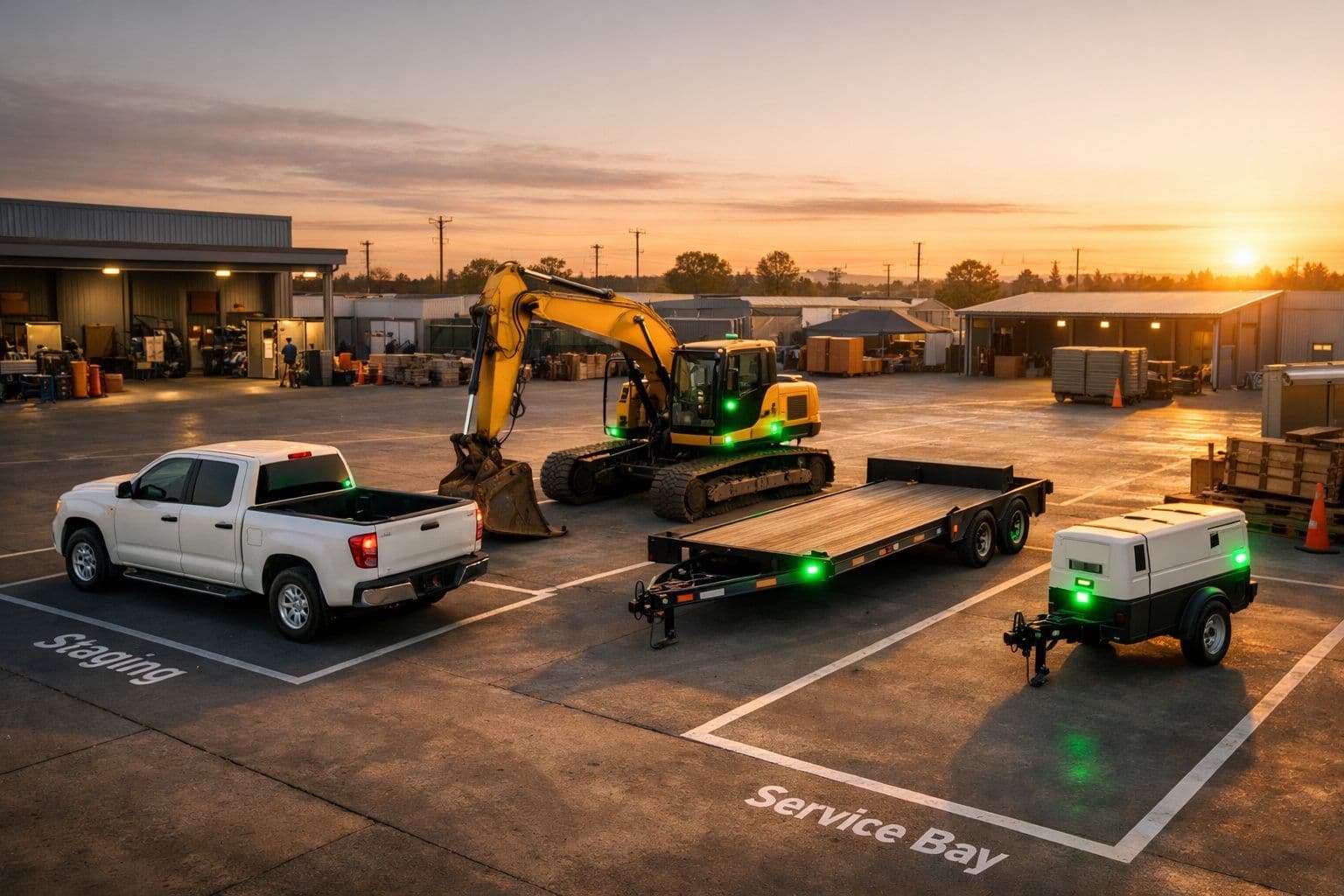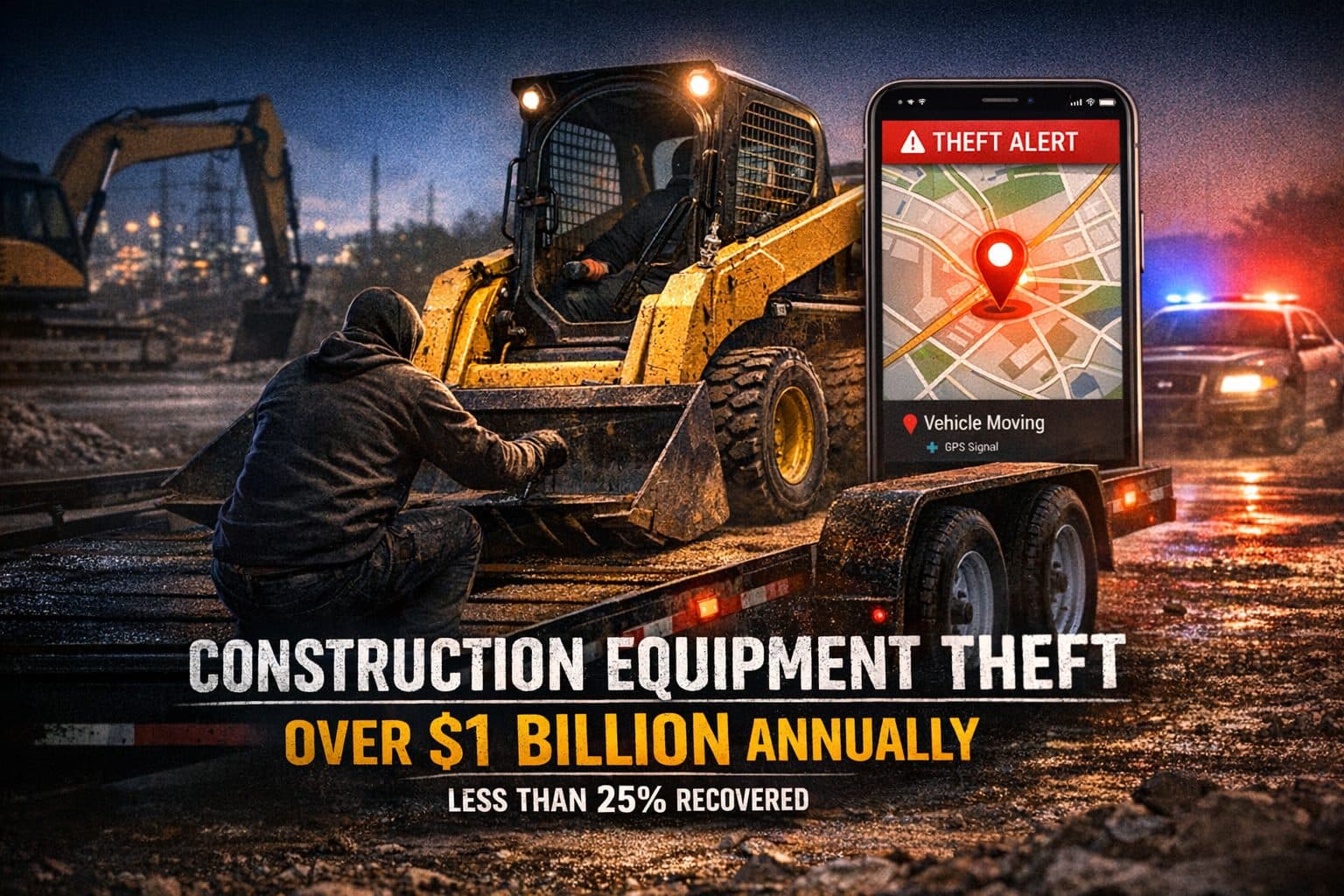
Construction equipment theft costs the U.S. industry over $1 billion annually, and the National Insurance Crime Bureau (NICB) reports that less than 25% of stolen equipment is ever recovered. To protect your construction equipment from theft, you need a multi-layered strategy combining physical security measures, real-time GPS tracking with geofencing, and employee training—alongside a clear understanding of your insurance coverage and legal obligations. For rental companies and contractors, a single stolen excavator or skid steer doesn't just mean the asset cost — it means lost rental revenue, insurance claim headaches, inflated premiums, and destroyed utilization rates while you wait months for a replacement. Understanding the labor challenges contractors face makes equipment availability even more critical—you can't find workers if your equipment isn't on site.
The good news: GPS tracking has fundamentally changed the math on equipment theft. Companies that install tracking hardware recover stolen assets within hours instead of never — and the deterrent effect alone can reduce theft incidents across an entire fleet.
Last updated: February 2026
Key Takeaways
- Construction equipment theft exceeds $1 billion annually in the U.S., with less than 25% of stolen assets ever recovered (NICB).
- Equipment like backhoes, skid steers, and generators ($25,000–$150,000+) is targeted because of high resale value, universal keys, and lack of standardized identification numbers.
- GPS-equipped assets with geofencing and real-time alerts are recovered at dramatically higher rates — often within 24 hours of theft.
- Beyond theft recovery, GPS tracking reduces insurance premiums, protects fleet utilization, and provides the operational data needed to lower Total Cost of Ownership.
- Physical precautions (fencing, lighting, cameras, signage, employee training) combined with advanced GPS solutions like equipment tracking systems and dual-tracker protection provide comprehensive defense against both opportunistic and organized theft operations.
- A stolen asset doesn't just cost its replacement value — it destroys utilization metrics, triggers insurance premium increases, and creates revenue gaps that can take months to fill.
Why Is Construction Equipment a Prime Target?
Several factors make heavy equipment one of the most attractive categories for theft in the United States:
- High Resale Value: Equipment such as backhoes, skid steer loaders, and generators can cost between $25,000 and $150,000+, making them lucrative targets. Unlike vehicles, heavy equipment can be repainted, moved to a different region, and resold with minimal scrutiny. The lack of a standardized title system (like automobiles use) makes resale even easier.
- Poor Security Measures: Construction sites often lack adequate security overnight and on weekends. Many machines still use universal keys or easily accessible ignition systems — meaning a thief with a single key can start dozens of different models. Weak fencing, unguarded property yards, and remote job sites create tempting targets.
- Lack of Standardized Identification: Unlike cars and trucks, many pieces of equipment do not have standardized vehicle identification numbers (VINs). This makes stolen machines extremely difficult for law enforcement to identify and recover, which is why the NICB recovery rate sits below 25%.
- Organized Theft Networks: Heavy equipment theft has evolved beyond opportunistic crimes. Organized theft rings operate across multiple states, with established channels to quickly resell, dismantle, or export stolen assets. Recent cases like the Tulare County agricultural theft ring (millions in stolen equipment), Maryland construction equipment theft ($200,000+ in machinery), and Kansas City operations (over $1 million in stolen assets) demonstrate the systematic nature of modern equipment theft.
What is geofencing for equipment security?
Geofencing is a GPS-based security feature that creates a virtual boundary around a physical location — such as a job site, equipment yard, or storage facility. When a tracked asset crosses the boundary, the system sends an instant alert via SMS or email to fleet managers, enabling a response within minutes rather than discovering the theft hours or days later.
The Role of GPS Tracking in Theft Prevention
Implementing GPS tracking transforms equipment security from "hope nobody steals it" into a layered defense system with real-time response capability:
- Real-Time Monitoring: GPS trackers provide continuous location data, enabling quick response if equipment is moved unexpectedly. Instead of discovering a theft Monday morning, you get an alert the moment the asset moves.
- Geofencing: Setting virtual boundaries around job sites and yards triggers instant alerts when equipment leaves designated areas. This is the single most effective theft deterrent — it turns a hours-old cold trail into a live pursuit.
- Recovery Assistance: In the event of theft, GPS data gives law enforcement a real-time location to work with instead of a serial number and a prayer. LoJack's Construction Equipment Theft Study found that 69% of recovered equipment had tracking systems installed, with recoveries often occurring within 24 hours.
- Deterrent Effect: Visible GPS hardware and "GPS Tracked" stickers create a deterrent effect across the fleet. Thieves targeting a job site are more likely to move on if they know equipment is being monitored in real time.
For rental companies, this isn't just about security — it's about protecting your fleet utilization benchmarks. A stolen skid steer doesn't just cost the asset value. It creates a zero-utilization gap in your fleet for weeks or months while you wait on insurance and a replacement unit, and it can cost you the customer who needed that machine next.
Hapn's Ghost Tracker: Dual-Protection Against Sophisticated Theft Operations
As organized theft rings become more sophisticated, traditional single-tracker GPS systems face new vulnerabilities. Thieves with knowledge of tracking technology may attempt to disable, jam, or remove visible GPS units to avoid detection. Hapn's innovative Ghost Tracker solution addresses this challenge with a dual-protection system:
- Primary Tracker: A hardwired GPS unit connected to the equipment's power supply provides standard real-time monitoring, geofencing, and alerts.
- Ghost Tracker: A hidden, battery-powered backup unit activates automatically if the primary tracker is tampered with, disconnected, or disabled. Users receive instant notifications when the Ghost Tracker activates, enabling immediate response.
- Stealth Design: The Ghost Tracker is concealed and impossible for criminals to locate without equipment disassembly, providing silent continuous monitoring even after primary system compromise.
- Extended Coverage: Dual protection ensures recovery is possible even against determined thieves who know to look for tracking devices.
This approach is particularly valuable against organized theft operations like those documented in Tulare County (where a large agricultural theft ring stole millions in equipment), Maryland (where organized thieves targeted construction sites for $200,000+ in machinery), and Kansas City (where an eight-person theft operation stole over $1 million in assets). When criminals operate at scale, they may be equipped to defeat standard security measures—dual-tracker protection turns the tables.
Physical Security Measures: The First Line of Defense
While GPS tracking provides recovery capability, comprehensive theft prevention also requires immediate physical precautions to deter theft from occurring in the first place:
Short-Term Physical Precautions
- Proper Lighting: A well-lit area deters thieves who prefer to work in darkness. Bright lights installed strategically can eliminate dark spots around equipment storage areas, job sites, and yards, making it much harder for criminals to operate undetected.
- Security Cameras: Adding high-tech video monitoring costs a fraction of what it once did. High-resolution systems help identify faces and license plates. Smaller operations can take a DIY approach. Like lighting, properly deployed cameras deter criminal activity and provide evidence if theft occurs.
- Visible Signage: Prominent signage warning about GPS tracking, security cameras, and alarm systems can fend off casual opportunists. While organized criminals may not be deterred, warnings about tracking technology reduce the appeal of spontaneous theft.
- Employee Training: Making equipment assets more secure starts with educating employees about security protocols and loss prevention. Train them to recognize suspicious activity, enforce access control, and implement a "see something, say something" culture throughout the company.
Long-Term Physical Security Solutions
- Secure Site Perimeter: Erect sturdy fencing with locked gates around construction sites and equipment yards. For particularly problematic areas, consider higher fencing or security barriers. The goal is creating a visual deterrent that encourages thieves to look elsewhere.
- Immobilization Techniques: Even if thieves gain access to your equipment, immobilization devices can stop them cold. Wheel locks are an effective, low-cost solution, while ignition intervention systems require keys or codes that thieves cannot easily access. These create a firewall against unauthorized use by thieves and employees alike.
- Equipment Inventory & Documentation: Maintain an up-to-date inventory of all equipment including serial numbers, photographs, and unique identifying information. This documentation is essential for insurance claims, police reports, and recovery efforts. Review and update regularly, especially when adding or removing assets.
- Comprehensive Security Plan: Forward-thinking firms develop formal security plans addressing physical barriers, access control, inventory procedures, employee training, and technology. This big-picture approach systematically reduces vulnerabilities that thieves can exploit.
Ready for a Theft Prevention Strategy That Works?
Combine physical security with GPS tracking, geofencing, and real-time alerts across your entire fleet. Hapn provides the tools to detect theft immediately and recover assets fast.
Get a Custom Quote →How Hapn Enhances Equipment Security
Hapn provides GPS tracking solutions built specifically for the challenges of construction and rental fleets — mixed equipment, remote job sites, and harsh operating conditions:
- Rugged, Purpose-Built Hardware: Devices like the GV650MG are designed to withstand dust, vibration, and weather extremes on active construction sites. Explore the full hardware library to see wired, OBD, and battery-powered options for every asset type.
- Unified Mixed-Fleet Dashboard: Whether you're tracking Cat excavators, Deere loaders, JLG lifts, or 15-year-old generators, Hapn's platform pulls location, engine hours, and alert data into a single view — no portal hopping between OEM systems.
- Customizable Geofencing & Alerts: Set boundaries around every job site, yard, and storage facility. Get instant SMS or email alerts for unauthorized movement, after-hours ignition, or boundary crossings.
- Beyond Security — Full Fleet Visibility: The same tracking data that prevents theft also powers engine hour-based maintenance scheduling, utilization reporting, and accurate rental billing. One investment, multiple ROI streams.
Insurance and Legal Considerations
Protecting your equipment from theft involves more than just physical and technological measures. Understanding your insurance coverage and legal obligations is equally important:
Insurance Coverage
Ensure that your equipment assets are adequately insured against theft. You'll need to understand coverage limits, determine what's covered (and what isn't), and verify that your policy covers the full replacement cost. Check if you're eligible for premium discounts in exchange for taking active security measures like installing security cameras and GPS tracking devices. Many insurers offer reduced rates for fleets with active GPS tracking because the data shows dramatically higher recovery rates and lower total claim values.
Registration and Documentation
Comply with all legal requirements for equipment registration—these vary by state, but any equipment operating on public roads must be registered. Keep essential documents like purchase contracts, receipts, operator manuals, and equipment photos readily available. This documentation is critical for insurance claims and police investigations if theft occurs.
What to Do in Case of Equipment Theft
Despite best efforts, construction equipment theft can still happen. Swift action can aid in recovery:
- Notify Police Immediately: Report the theft to local law enforcement with detailed information about the item, including make, model, serial numbers, and unique identifying features.
- Activate GPS Tracking: If the equipment has GPS, activate tracking and forward real-time location information to police for faster recovery.
- Contact Insurance: Reach out to your insurance company to file a theft claim with full documentation including equipment details, photographs, and a police report.
The ROI of Implementing GPS Tracking
Investing in GPS tracking technology yields returns that extend well beyond theft prevention:
- Reduced Theft Losses: A single recovered excavator can pay for years of tracking across an entire fleet. The deterrent effect alone reduces incident rates — fewer claims means fewer operational disruptions.
- Lower Insurance Premiums: Many insurers offer reduced rates for fleets with active GPS tracking, since the data shows dramatically higher recovery rates and lower total claim values. As we covered in our equipment rental insurance guide, theft and damage claims are the primary driver of rising premiums — and tracking is the most direct way to push them down.
- Protected Utilization & Revenue: Every day a stolen asset is missing is a day of zero revenue. Fast recovery — hours instead of months — keeps your utilization benchmarks intact and prevents the cascading effect of turning away customers because you're short on inventory.
- Improved Operational Efficiency: Real-time location data eliminates the "where is it?" problem. Dispatchers can see every asset across every site, reducing dead-heading, improving turnaround times, and ensuring the right equipment reaches the right job on time.
- Lower Total Cost of Ownership: Theft recovery, reduced insurance, and the operational data from tracking (engine hours, utilization, maintenance alerts) all feed into a lower TCO per asset over the machine's lifecycle.
The True Cost of a Stolen Asset
| Cost Category | Impact |
|---|---|
| Asset Replacement | $25,000–$150,000+ (minus depreciated insurance payout) |
| Lost Rental Revenue | Weeks to months of zero utilization while waiting on insurance + replacement |
| Insurance Premium Increase | Claims drive premiums up across the entire fleet, not just the stolen asset |
| Customer Impact | Turning away rentals due to reduced inventory → customers call your competitor |
| Administrative Overhead | Police reports, insurance claims, replacement sourcing — hours of staff time per incident |
Secure Your Assets with Hapn
In an industry where equipment theft poses a billion-dollar annual risk, GPS tracking isn't a "nice to have" — it's a baseline operational requirement. The companies that track every asset in real time don't just recover stolen equipment faster. They deter theft from happening in the first place, pay lower insurance premiums, maintain higher utilization rates, and make smarter fleet decisions with the data that tracking provides.
Whether you're running a construction fleet, an equipment rental operation, or managing assets across multiple sites, Hapn gives you the theft prevention and recovery tools you need — alongside the utilization, maintenance, and billing data that turns tracking into a profit center.
Written by the Hapn Team
Hapn provides GPS fleet and asset tracking for 50,000+ customers across construction, equipment rental, and 50+ other industries. Our platform tracks 463,000+ assets and processes over 4 billion messages annually with 99.9% uptime.
FAQ: Construction Equipment Theft & GPS Recovery
How much does construction equipment theft cost annually?
Construction equipment theft costs the U.S. industry over $1 billion annually, according to the National Insurance Crime Bureau (NICB). The true cost is likely higher when accounting for lost rental revenue, insurance premium increases, replacement lead times, and the operational disruption of being short on inventory.
What percentage of stolen construction equipment is recovered?
Less than 25% of stolen construction equipment is recovered, per NICB data. The low recovery rate is largely due to the lack of standardized identification numbers on heavy equipment (unlike cars with VINs) and the ease with which machines can be repainted and resold. GPS tracking dramatically improves these odds — assets with active tracking are recovered at far higher rates, often within 24 hours.
How does GPS tracking prevent equipment theft?
GPS tracking prevents theft through three mechanisms: deterrence (thieves avoid tracked assets), real-time detection via geofencing alerts when equipment moves without authorization, and recovery assistance by providing law enforcement with a live location instead of just a serial number. Hapn's platform combines all three with customizable geofences, instant SMS/email alerts, and a unified dashboard across mixed fleets.
Can GPS tracking lower my equipment insurance premiums?
Yes. Many insurers offer reduced premiums for fleets with active GPS tracking because the data shows higher recovery rates and lower total claim values. The exact discount varies by carrier, but the combination of fewer theft losses, faster recoveries, and lower claim severity makes tracked fleets a better risk profile. This directly reduces your Total Cost of Ownership per asset.
What physical security measures should I implement alongside GPS tracking?
A comprehensive approach combines GPS technology with physical barriers: sturdy fencing and locked gates around equipment yards, proper lighting and security cameras to deter criminals, visible signage warning about GPS tracking, and employee training on security protocols. Immobilization devices like wheel locks and ignition systems provide additional protection. Together, these measures create multiple layers of defense against both opportunistic and organized theft.
What is the best GPS tracker for construction equipment?
The best tracker depends on the asset type and installation needs. For heavy equipment like excavators and dozers, hardwired devices like Hapn's GV650MG are ideal — they connect to the machine's power system, report engine hours, and withstand harsh job site conditions. For smaller tools and towable assets, battery-powered trackers offer flexible installation without wiring. For maximum protection against sophisticated thieves, Hapn's dual-tracker system (primary hardwired tracker with hidden Ghost Tracker backup) ensures recovery even if the primary unit is disabled. Explore the hardware library to find the right option for each asset class.
How should I respond if my equipment is stolen?
Take immediate action: Report the theft to local law enforcement with complete equipment details and serial numbers. If your equipment has GPS tracking, activate it immediately and provide the real-time location data to police. Contact your insurance company promptly to file a theft claim, providing documentation including photos, purchase receipts, police report, and equipment inventory records. For equipment with GPS, location data significantly improves recovery odds compared to equipment without tracking.
Protect Your Fleet Before the Next Theft
Real-time tracking, geofencing, dual-tracker protection, and instant alerts across every asset in your fleet. No contracts, transparent pricing.
Get Pricing →