Key Takeaways
- Nearly half of small businesses use manual tracking or no asset tracking at all, missing critical opportunities for cost reduction and operational efficiency.
- GPS asset tracking provides real-time visibility into location, maintenance history, condition, and usage data for informed decision-making.
- Key benefits include extended asset lifespan, reduced maintenance costs, optimized routes, and theft prevention through continuous monitoring.
- Data-driven reports enable predictive maintenance scheduling, equipment upgrade planning, and optimal resource allocation.
- Unified asset tracking eliminates manual labor, reduces human error, and improves accuracy while lowering operational costs.
Keeping your high-value business assets in service is vital to lowering the cost of your operations, optimizing resource allocation, and achieving optimal productivity levels. Asset tracking and monitoring give you the visibility to protect and maintain business assets as required to achieve this.
However, a State of Small Business Report found that nearly half of small businesses either use manual tracking methods or do not track their assets. These findings suggest that these small businesses are often not adequately optimizing and protecting their assets, a significant risk for any business trying to stay competitive and on budget with their current resources.
What is Asset Tracking?
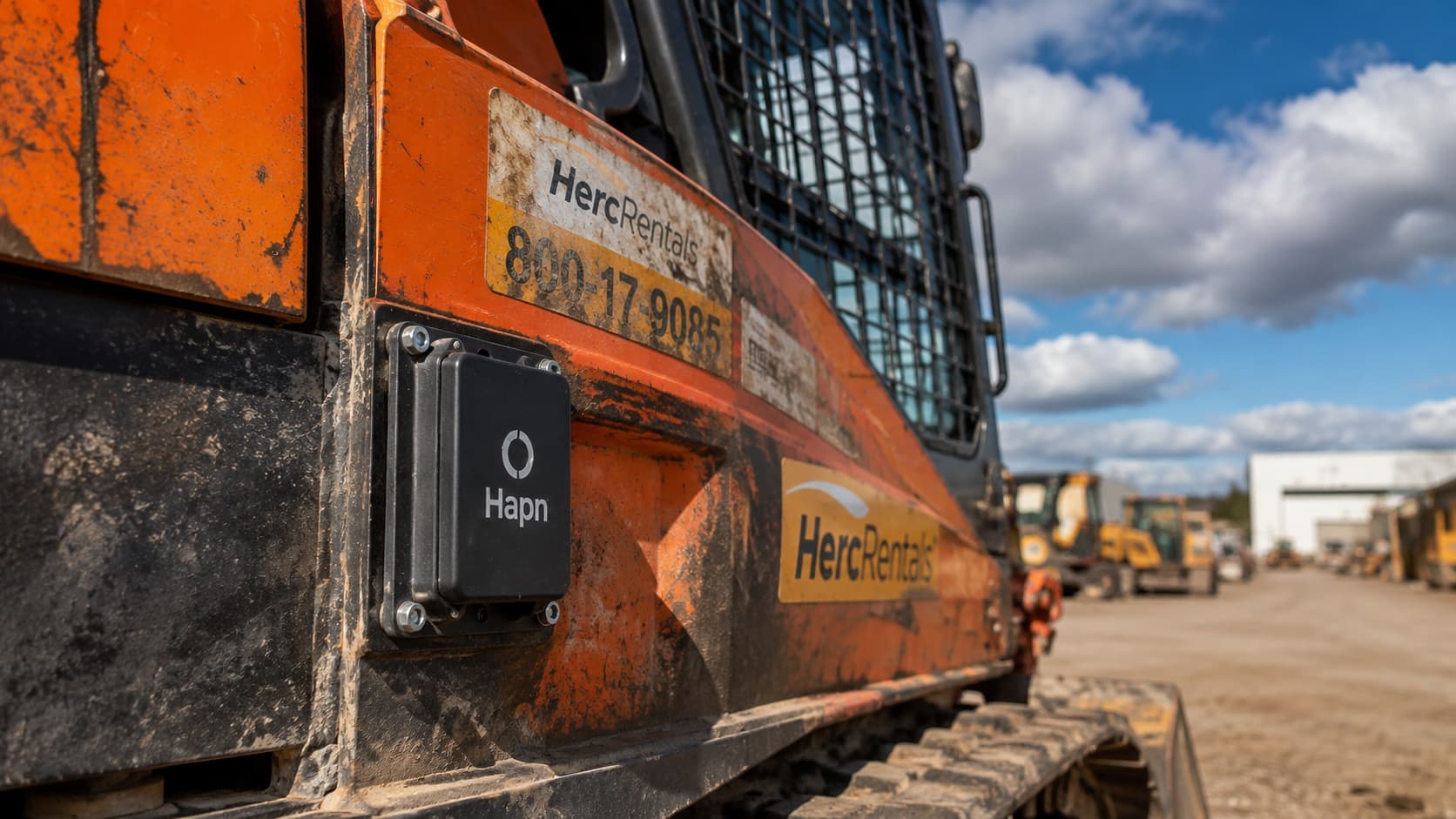
So what is asset tracking in reference to your business operations? Asset tracking is locating your physical assets and monitoring relevant information on each of them. To do this, a tracking tag such as Bluetooth or radio-frequency identification (RFID), often with GPS and motion sensor chips, is placed on the asset to facilitate tracking.
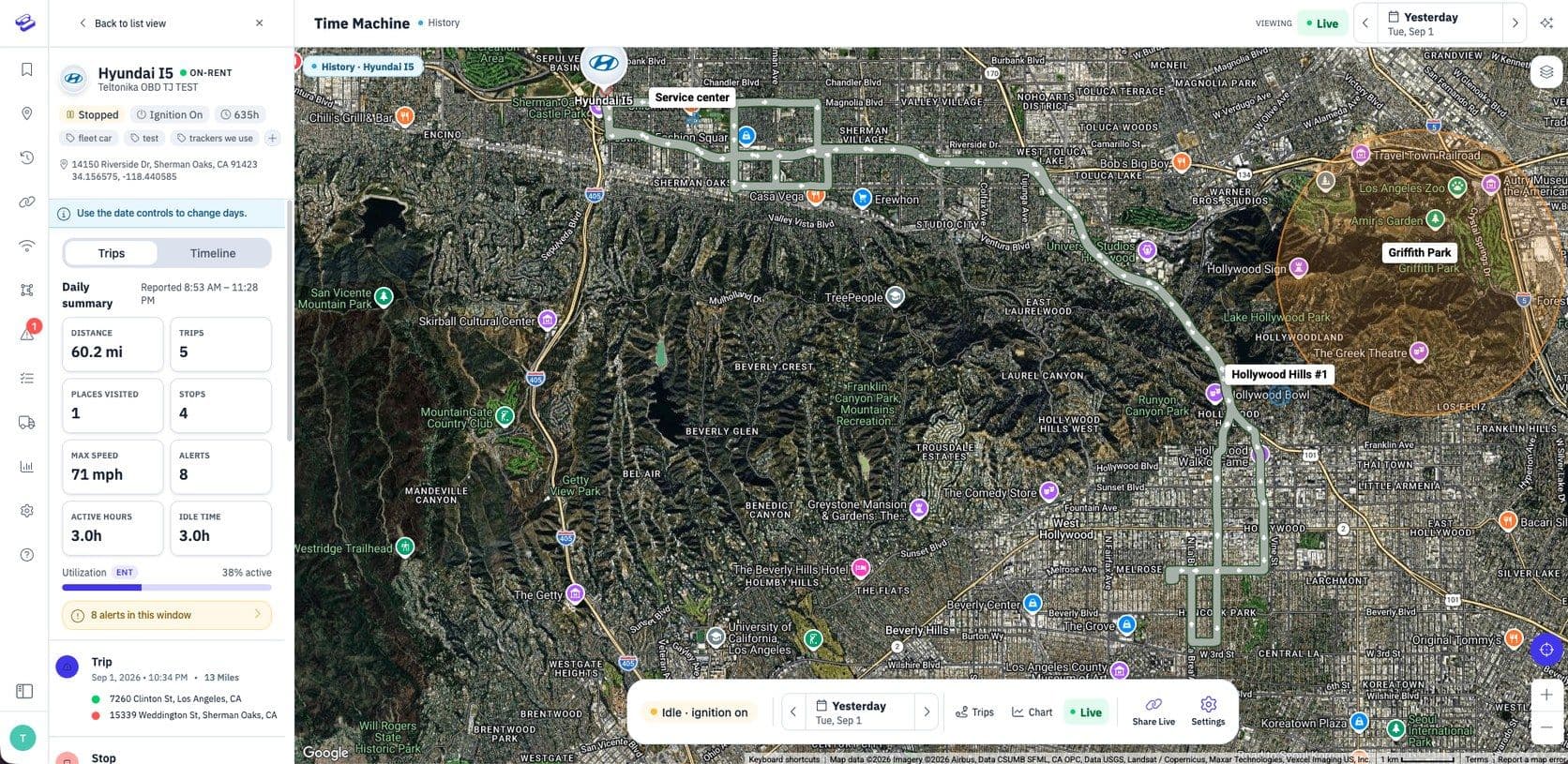
This form of GPS asset tracking provides the asset's real-time location and other up-to-date information that's invaluable for your business operations. Asset information that includes:
- Daily operations
- Maintenance history
- Ownership history
- The current condition
- And any relevant contracts regarding the asset
An advanced asset tracking and monitoring system makes this information easy to navigate, whether your business owns ten assets or hundreds. This means that your assigned managers or employees can use software-based asset tracking to manage many assets simultaneously, increasing business efficiency and accuracy while eliminating the need to hire additional staff to track individual assets.
How can Asset Tracking and Monitoring Improves Day-to-Day Operations?
Several benefits come with accurate asset tracking and monitoring. Below is a list of ways asset tracking may improve your day-to-day operations.
- Data-Powered Reports
- Keep Assets in the Field Longer
- Cost Reduction
- Increased Overall Efficiency
- Theft Protection
Data-Powered Reports
It is essential that you have accurate reporting for making decisions as an organization. Decisions like:
- When should you plan to upgrade your current equipment?
- When is the machinery up for routine maintenance?
- What equipment is not operating at optimal capacity?
All these decisions should be data-driven so that you can plan according to your business's future needs. Asset tracking provides the complex data that you require to make critical decisions. For example, fleet management businesses use data-driven reports to gain insight into driver behavior, optimize travel routes, and manage vehicle maintenance schedules.
You may consider using mobile asset tracking tools to view your data on the go for an easier and more convenient user experience. It also helps teams in the field access information required for quick decision-making.
Keep Assets in the Field Longer
If you have several heavy-duty assets in your portfolio, such as vehicles, equipment, and machinery, you know that buying them is a cost-intensive venture. Should the assets cease to work before the end of a reasonable period, you will have a cash flow problem or credit burden at the workplace. Therefore, it is the role of your organization to keep assets operating optimally for as long as possible.
Asset tracking provides a clear overview of the current status of each of the assets, their maintenance history, and depreciation to the smallest detail. You can use this information to schedule maintenance, detect anomalies, plan operations to optimize their usage, and determine any upgrades you must make to them to improve business performance. These measures extend the life of your assets without lowering productivity.
Cost Reduction
Any business that is serious about being profitable must look at its costs. It is important to eliminate unnecessary expenditure and reduce necessary costs wherever possible. Some asset-related cost centers include maintenance, operations, repairs, and purchasing. Any of these may balloon quite fast.
Asset monitoring can help you manage your asset-based costs. Businesses that manage vehicle fleets can use asset tracking and monitoring to determine their maintenance history and schedule future ones effectively, reducing the chances of major breakdowns and associated huge costs. Asset tracking also offers insight into mileage and fuel consumption, which helps design more cost-effective routes for your fleet.
See How Hapn Works for Your Fleet
Real-time GPS tracking, utilization analytics, predictive maintenance alerts, and cost optimization — all in one unified platform.
See How Hapn Works →
Increased Efficiency
Asset tracking and monitoring can help your company enhance its overall efficiency in several ways. If asset regulations exist in your industry, it helps keep an accurate record of incidents, conditions, and maintenance in line with the set rules. It lets your organization streamline maintenance and allow optimal performance, ensuring better quality output, lower operational costs, and fewer downtimes.
Asset monitoring also enhances the operational efficiency of the business. It enables managers to keep accurate data on their inventory and optimally assign assets.
For example, manufacturing businesses can use GPS asset tracking and monitoring software to keep track of their raw materials. With visibility into their entire supply chain, they know when their materials will arrive and can optimize production timing to keep their facilities running as efficiently as possible.
Theft Protection
If your business leases or owns equipment, it's important to protect these assets from theft due to their high initial investment and the efficiency they provide for your business operations. Without asset tracking and monitoring, a business typically has to monitor all its assets manually, creating higher labor costs as the business must hire more staff to track individual assets.
Alternatively, these businesses may forgo asset tracking and monitoring for lack of resources. The result is mismanagement, human error, and the remaining risk of theft.
GPS asset tracking and monitoring software solves this risk by helping businesses and single individuals track hundreds of business assets via the same platform. This tracking is in real-time and available via mobile to offer users the ease of being able to find all their valuable business assets right in the palm of their hands. Not to mention, because asset tracking and monitoring acts as theft prevention, it can contribute to keeping your insurance rates lower.
Find the Right GPS Asset Tracking and Monitoring System for Your Business
There are many ways a GPS asset tracking and management system can help your business run more safely and efficiently. Interested to see how you can leverage asset tracking to improve your day-to-day operations? Reach out to our team to request a demo; we'd love to help you find the right tracking system for your business.
Written by the Hapn Team
Hapn provides GPS fleet and asset tracking for 50,000+ customers across construction, equipment rental, and 50+ other industries. Our platform monitors 463,000+ assets and processes over 4 billion messages annually with 99.9% uptime.
Frequently Asked Questions
What types of assets can be tracked with GPS?
GPS asset tracking works for vehicles, heavy equipment, trailers, generators, compressors, tools, and any mobile asset. Battery-powered trackers handle unpowered assets like containers and storage units. Hardwired trackers integrate with powered equipment to capture engine hours and diagnostics alongside location.
How does asset tracking reduce costs?
Real-time visibility enables predictive maintenance (preventing expensive breakdowns), optimized routing (saving fuel), theft prevention (eliminating loss), and data-driven utilization (eliminating underused assets). Studies show 15–30% cost savings in the first year.
Can asset tracking help with regulatory compliance?
Yes. Asset tracking systems maintain automated records of maintenance, service intervals, and operational hours—critical for industries with compliance requirements like construction, manufacturing, and equipment rental.
What's the ROI on asset tracking?
Most businesses see positive ROI within 6–12 months through cost reduction, theft prevention, extended asset lifespan, and labor savings. The exact ROI depends on your asset portfolio size, industry, and current manual processes.
Start Tracking Your Assets Today
Hapn's unified asset tracking platform gives you real-time visibility, predictive maintenance, geofencing, utilization analytics, and compliance automation — all designed to reduce costs and extend asset lifespan.
Get Pricing →