Key Takeaways
- Cellular connectivity is as critical as GPS signals for real-time tracking; without it, devices cannot transmit location data to your dashboard
- Network coverage gaps create location blind spots; weak carrier signals at key locations (warehouses, job sites) can undermine entire tracking strategies
- Twilio Super SIM technology enables network-agnostic connectivity by seamlessly switching between carriers (AT&T, Verizon, T-Mobile) for optimal coverage
- Multi-network SIM cards support automatic failover between 2G, 3G, and LTE, ensuring continuous connection even in spotty coverage areas
- Proper carrier selection and SIM technology minimize downtime and maintain accurate location data for critical fleet operations
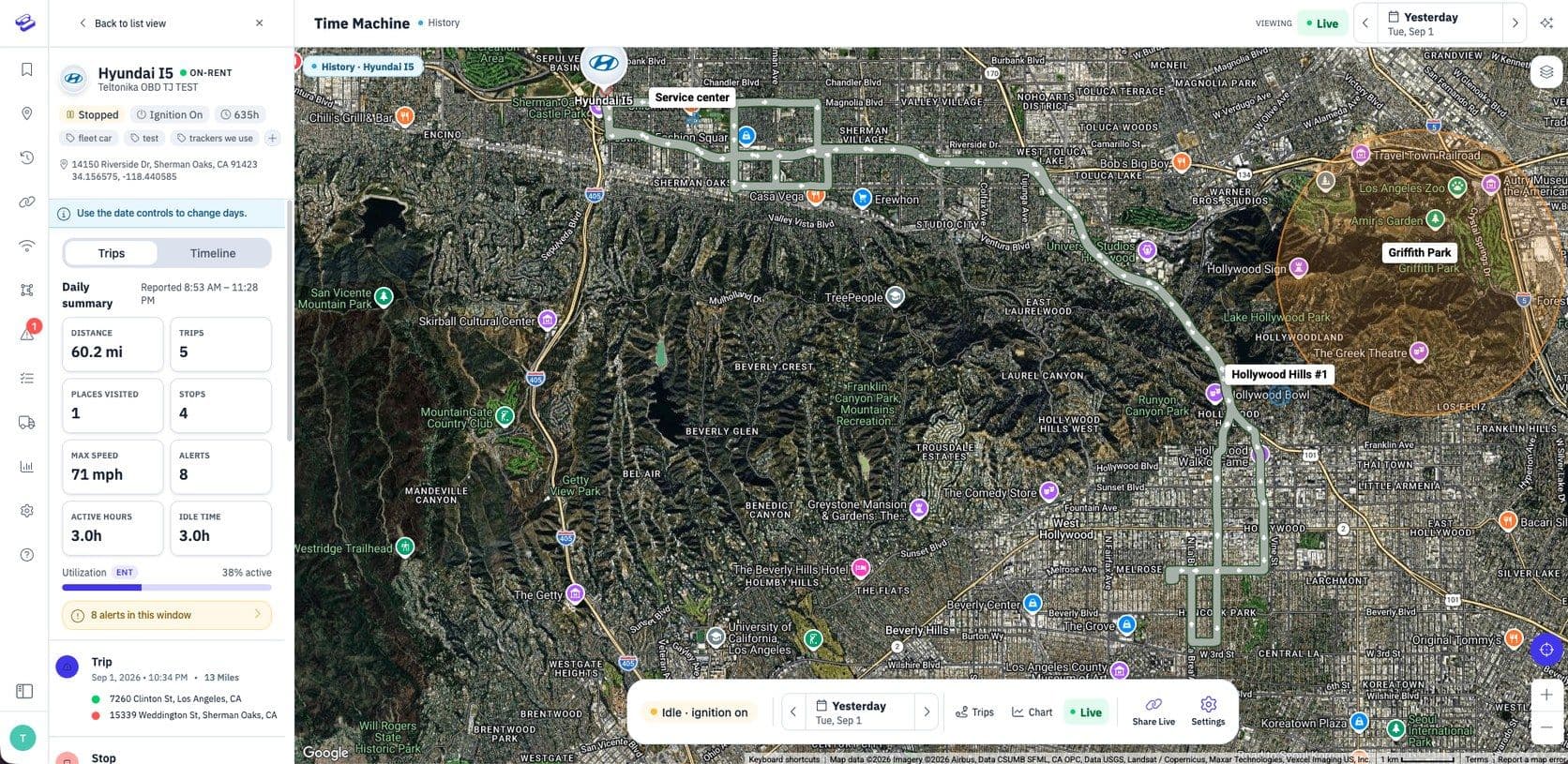
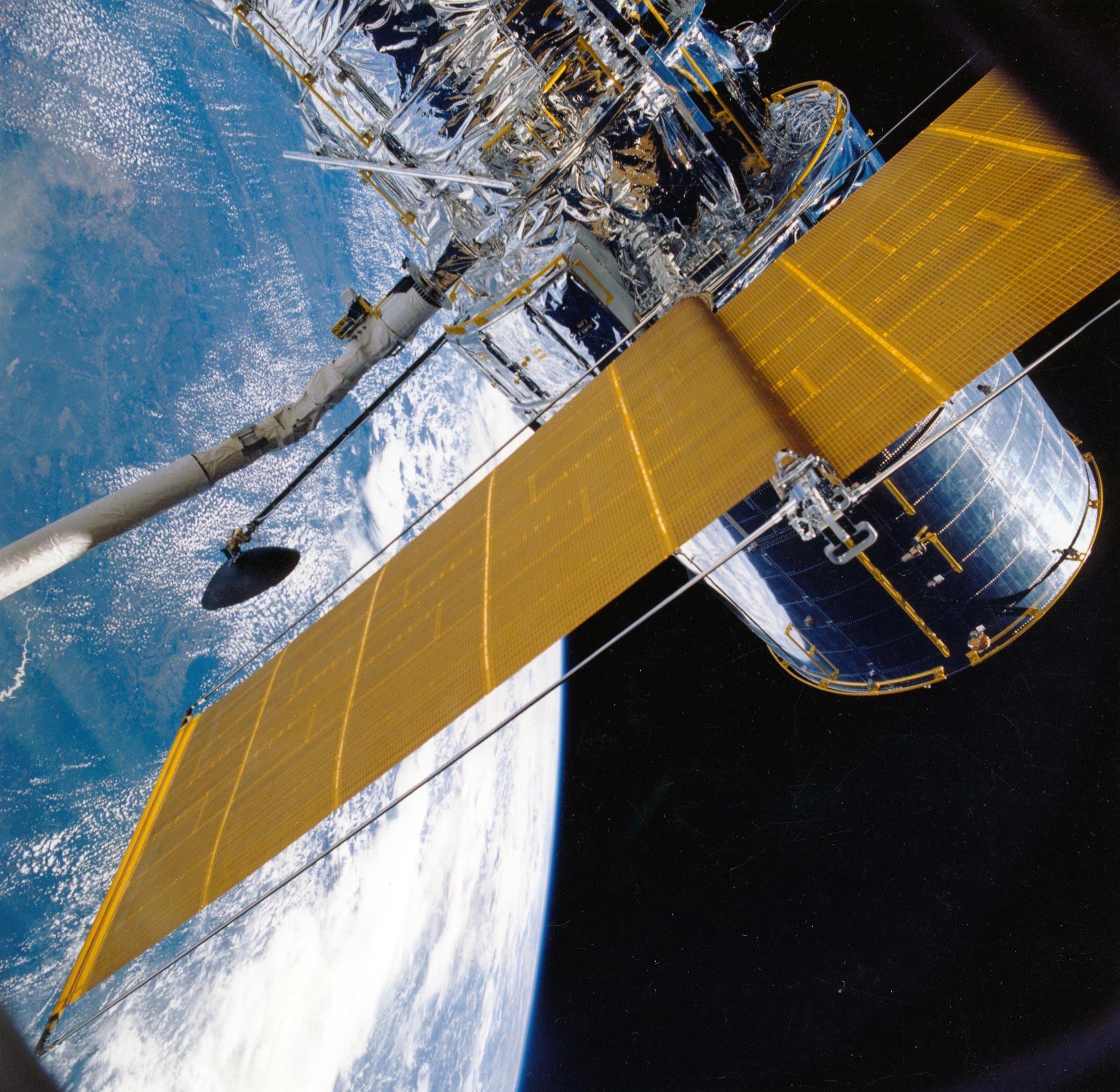
GPS tracking relies on several major pieces of tech to work. Plain and simple. There are a lot of moving parts, and they all have to work well together to get the best performance. One part that is less talked about is cellular connectivity. It is just as important as the open sky to get a good GPS lock but is something that users have less control over.
Cellular networks & GPS
Utilizing cellular networks is how our GPS devices communicate their location data back to our platform so we can populate the map with that data. Clearly, this can open up some limitations with network performance. GPS devices have SIM cards, just like cell phones do. This means that they are, typically, under the same limitations as a SIM, and they are, sometimes, network-tied.
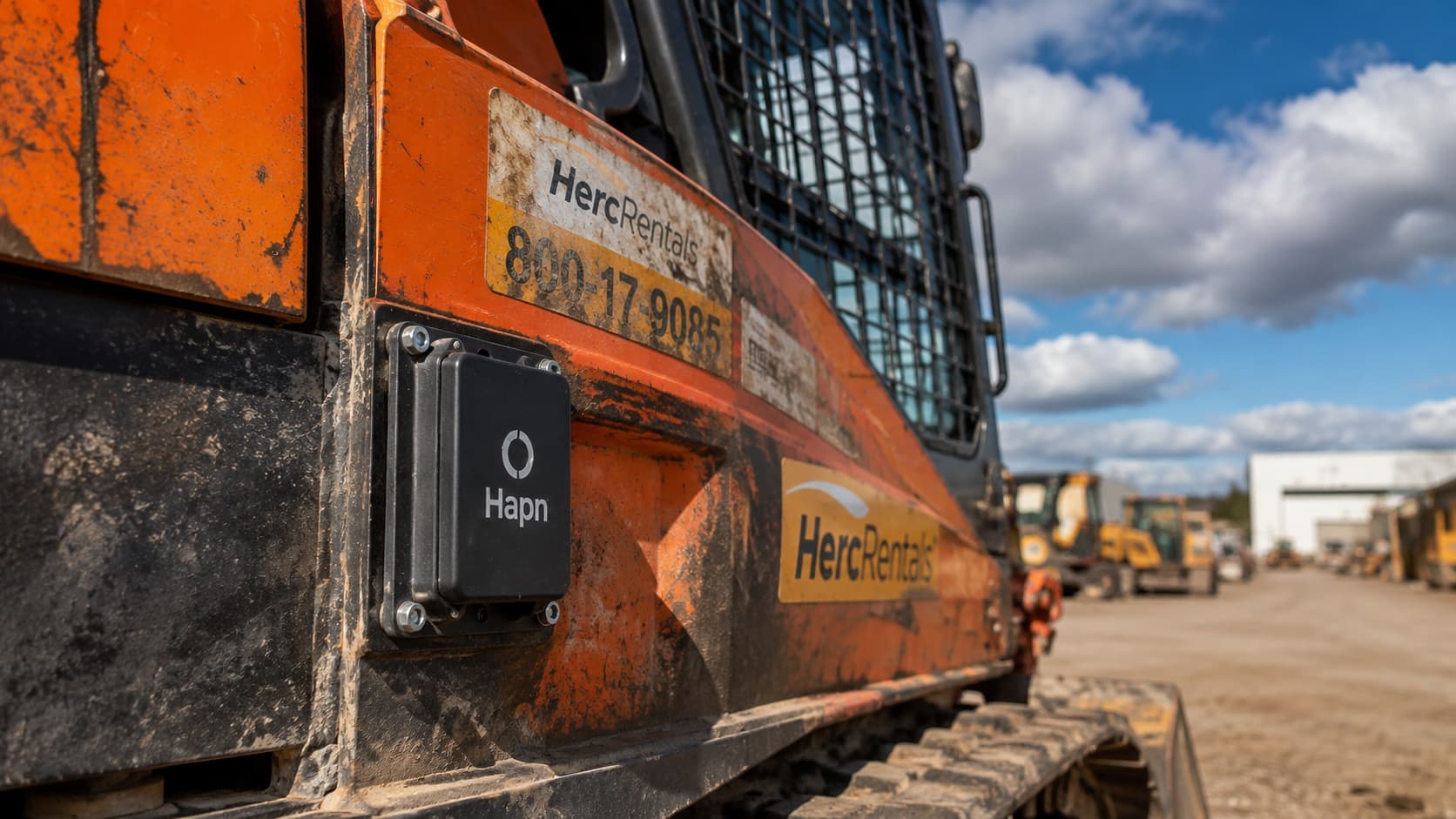
For operations relying on GPS tracking for construction equipment and field service vehicles, cellular reliability is absolutely mission-critical since worksites often have unpredictable coverage.
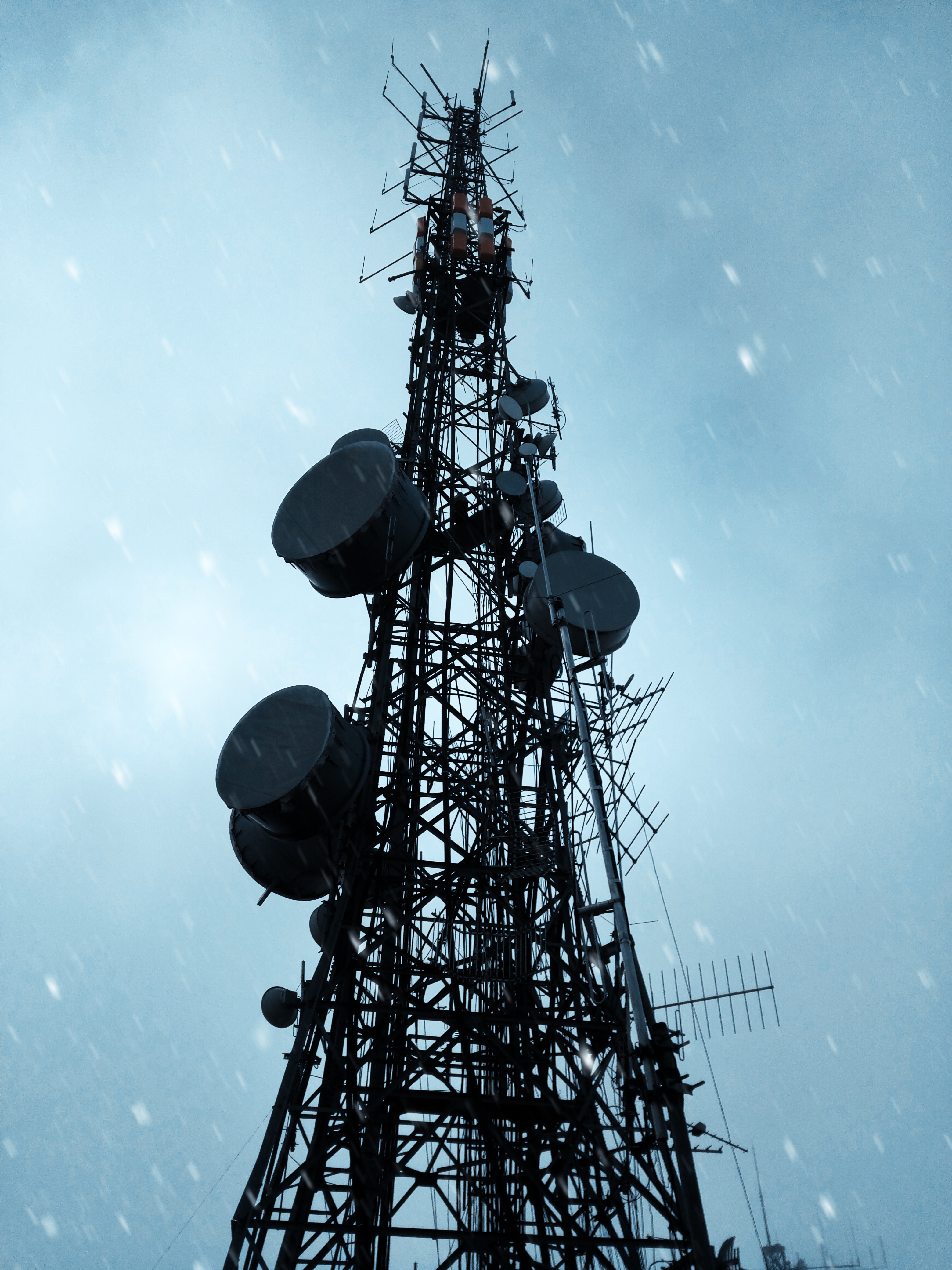
The problem –no signal & connectivity issues
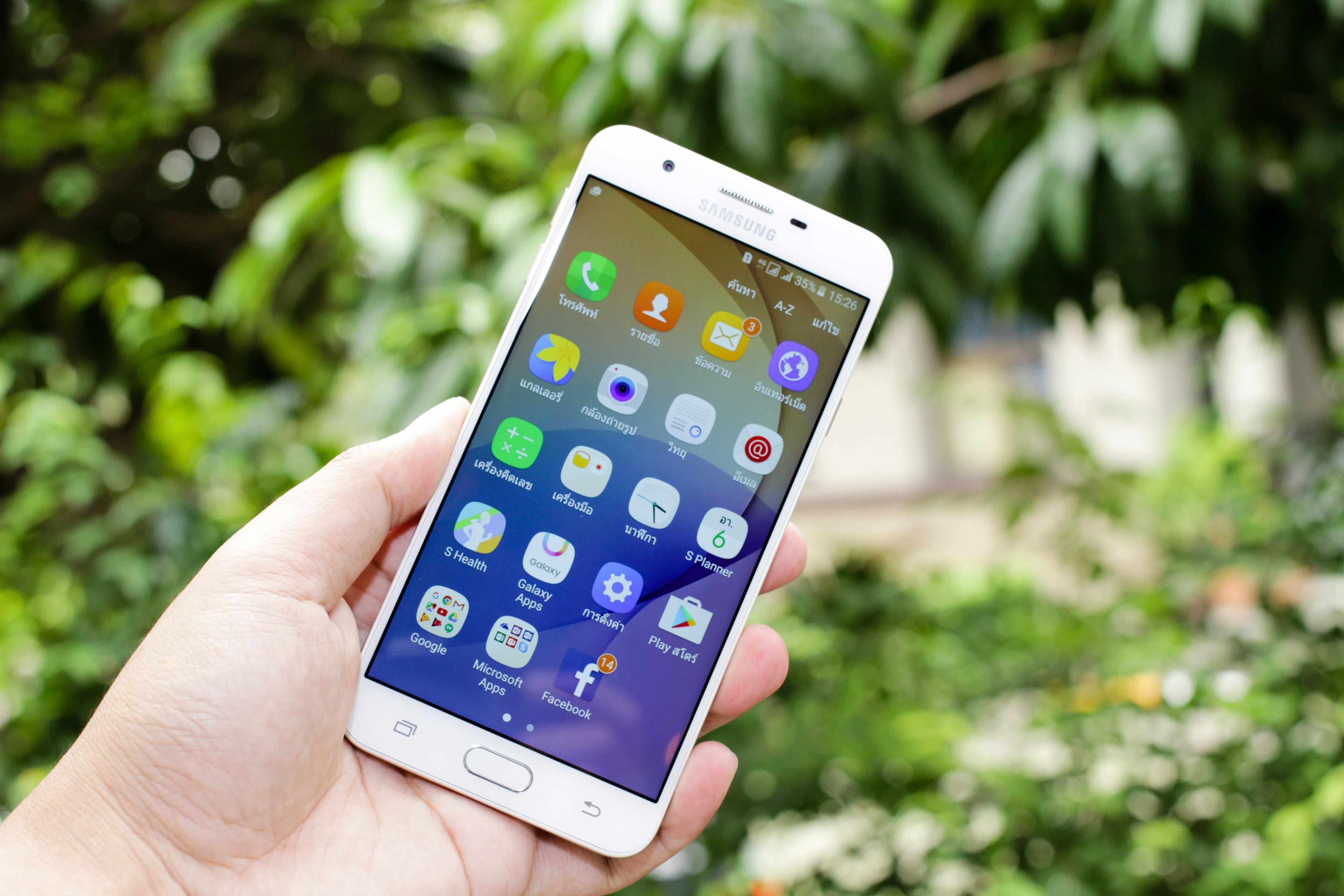
If your cell phone does not work in a specific part of town or even a specific room in the house, it is usually because the network you are currently connected to is not strong enough. This is an issue for cellular phones, especially if your carrier has a weak signal at your home.
With GPS devices, imagine if your device carrier had major connectivity issues at your warehouse, where the bulk of your assets are. This would be a disaster. GPS tracking must be reliable, plain, and simple. Understanding geofence alerts requires solid cellular connectivity to ensure alerts are delivered in real-time.
The solution –Twilio Super SIM for a stronger connection
What we have done to mitigate this as much as we can is to partner with Twilio for our device SIM cards. Their Super SIM is a powerful tool for our devices. In essence, it allows our GPS devices to be network agnostic. This means that can seamlessly swap between multiple networks, to find the best connection. This keeps your devices up and tracking for longer, with more accurate data.
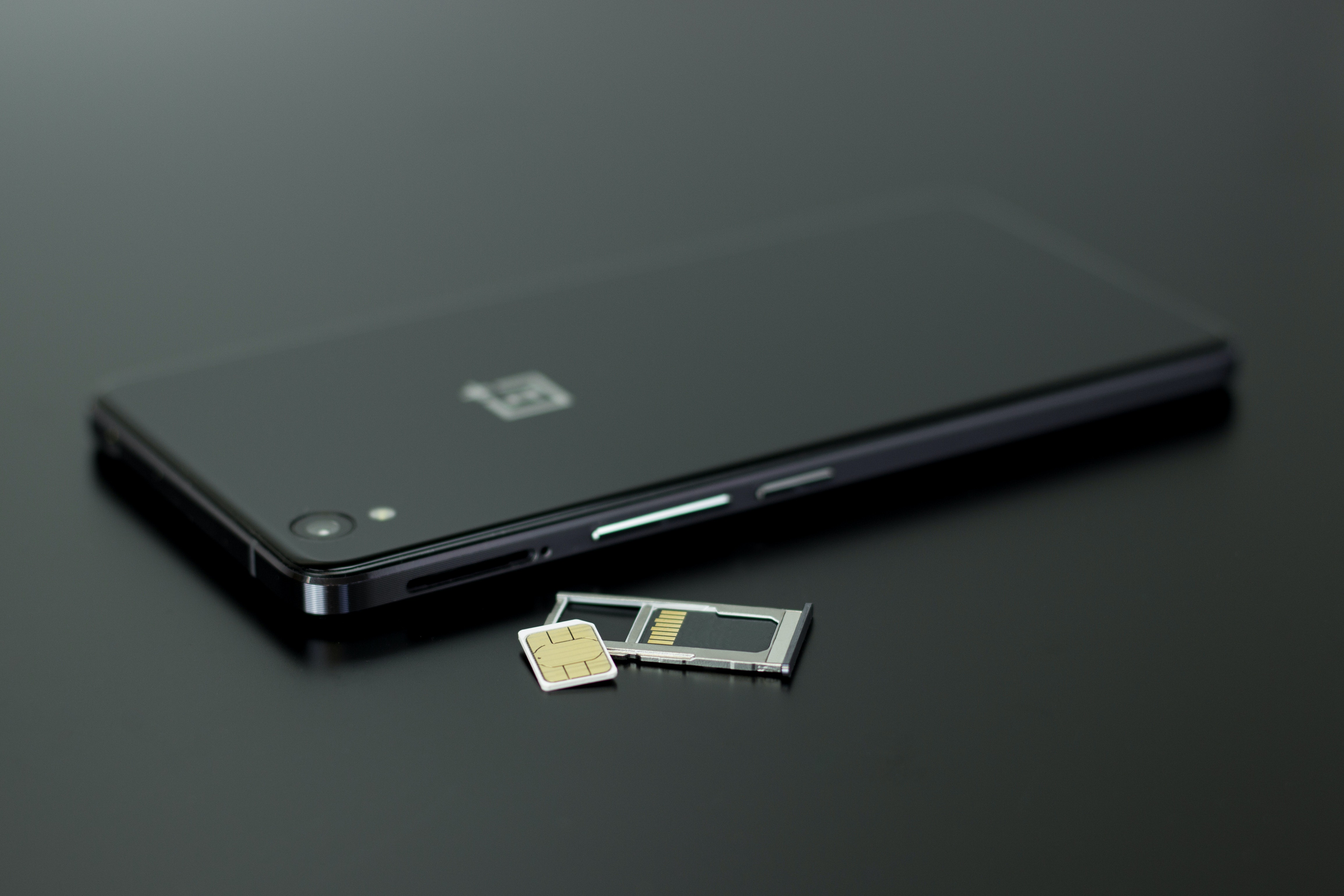
In Twilio's own words, the Super SIM card brings the world's best cellular networks together into a single experience. This means that no matter the carrier, or even the network type, this SIM card can ensure a strong, stable connection. The carrier, no matter if it's AT&T, Verizon, or T-Mobile, is no longer an obstacle to a good connection.
More than that, the actual type of connection can be switched automatically on the fly, so this means 2G, 3G, or LTE connections are all available to the Super SIM. This gives you the comfort that comes with multiple networks to choose from, and multiple network types to fall back on. This tech, combined with our serverless platform, minimizes downtime, meaning fewer location blind spots for you and your teams.
See How Hapn Works for Your Fleet
Get a personalized walkthrough and transparent pricing — no commitment required.
Get Pricing →
Best of all, the Super SIM does this on its own, automatically. There are no settings to manage, and nothing you need to do to ensure this functionality, other than make sure your GPS and IoT devices are using the super SIM. Learning about fleet utilization benchmarks helps you maximize the value of reliable real-time tracking data.
Of course, I want you to use Hapn GPS units, but that is a given. The goal of partnering with Twilio is to make sure that our users are getting world-class connectivity to match our world-class hardware and applications. We are confident that is the case and cannot wait to keep bringing innovation to the GPS space. For businesses evaluating the best GPS trackers for heavy equipment, cellular reliability should be a top decision factor alongside hardware durability.
Frequently Asked Questions
Why is cellular connectivity important for GPS tracking?
Cellular connectivity is essential because GPS devices use it to transmit location data to your tracking platform. Without cellular connectivity, the tracker can calculate its position using satellites but cannot send that data to your dashboard. This creates a location blind spot where you have no visibility into asset position, defeating the purpose of real-time tracking. Strong cellular coverage is as critical as GPS satellite access.
What happens if a GPS tracker loses cellular signal?
When a tracker loses cellular signal, it can still calculate its GPS position using satellites, but it cannot transmit that data. Many trackers with intelligent buffering store location data locally and transmit it when the signal is restored. However, this creates gaps in real-time visibility. Dual-network SIM cards like Twilio Super SIM minimize these gaps by automatically switching to alternative networks when one becomes unavailable.
How does Twilio Super SIM improve GPS tracking reliability?
Super SIM technology makes GPS devices network-agnostic by allowing them to seamlessly switch between multiple carriers (AT&T, Verizon, T-Mobile) and network types (2G, 3G, LTE) automatically. This eliminates single-carrier dependency and creates redundancy. If one carrier has weak coverage at your location, the device automatically connects to a carrier with stronger signal, ensuring continuous connectivity without manual intervention.
Can poor cellular coverage at a warehouse affect GPS tracking?
Yes, poor cellular coverage at critical locations like warehouses or job sites creates location blind spots and prevents real-time data transmission. This is a serious problem because you lose visibility on where assets are located at your most important sites. Using multi-network SIM technology or trackers with local buffering can mitigate this risk, ensuring data is captured and transmitted when connectivity is restored.
Should I choose a specific carrier for my GPS trackers?
Rather than locking into a single carrier, multi-network SIM cards provide better reliability by allowing automatic switching between carriers. This approach eliminates carrier-specific coverage gaps. If you must choose a single carrier, research coverage maps for your specific tracking locations (warehouses, routes, job sites) before making a commitment, as carrier strength varies significantly by geography.
Written by the Hapn Team — Hapn provides full-stack fleet and asset telematics for construction, rental, and field service companies. Learn more →