Last updated: February 2026
Key Takeaways
- Real-Time Location Systems (RTLS) are experiencing 28% compound annual growth from 2022-2027, driven by demand for precise asset tracking.
- RTLS technologies include RFID, Bluetooth Low Energy (BLE), Ultra-Wideband (UWB), and Wi-Fi for real-time location detection.
- RTLS combined with GPS telematics provides complete visibility, geofencing capabilities, and automated location-based alerts.
- Implementing RTLS can increase productivity by reducing asset search time, minimize losses from theft or misplacement, and ensure compliance.
- Hapn's integrated solutions unify RTLS with comprehensive fleet tracking, reducing system complexity while maximizing operational intelligence.
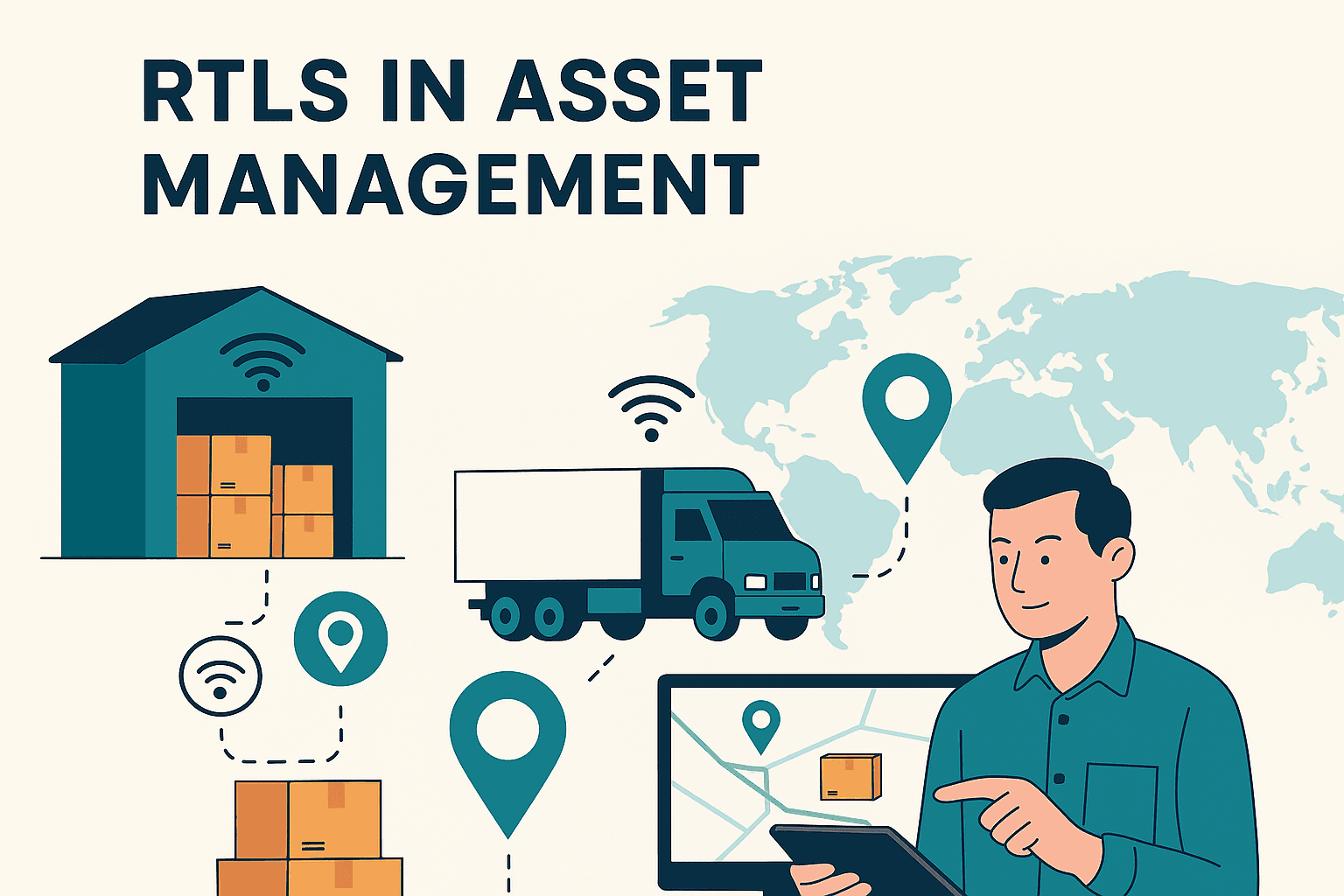
In today's fast-paced business environment, the ability to track and manage assets in real-time has become a critical component of operational efficiency. Real-Time Location Systems (RTLS) have emerged as a transformative technology, offering precise tracking capabilities that enhance asset visibility and streamline operations.
📈 RTLS Market Growth: A Snapshot
The global RTLS market is experiencing significant growth, with projections indicating an increase of $13.84 billion at a compound annual growth rate (CAGR) of 28% from 2022 to 2027. This surge is driven by the increasing demand for real-time asset tracking solutions across various industries, including manufacturing, healthcare, logistics, and retail.
🛠️ Understanding RTLS Technology
RTLS encompasses a range of technologies designed to automatically identify and track the location of objects or people in real-time. Common RTLS technologies include:
- Radio-Frequency Identification (RFID): Uses electromagnetic fields to automatically identify and track tags attached to objects.
- Bluetooth Low Energy (BLE): Provides proximity-based tracking with low power consumption.
- Ultra-Wideband (UWB): Offers high-precision location tracking with minimal interference.
- Wi-Fi: Utilizes existing wireless networks for location tracking.
These technologies enable businesses to monitor asset movements, optimize workflows, and enhance security measures. When combined with GPS telematics platforms like Hapn's fleet tracking solution, RTLS becomes a comprehensive visibility engine. For deeper understanding of how asset tracking fundamentals apply, see our guide on real-time asset tracking basics.
🚀 Hapn's Integration with RTLS
Hapn offers advanced GPS and IoT solutions that integrate seamlessly with RTLS technologies, providing businesses with comprehensive asset tracking capabilities:
- Real-Time Monitoring: Track assets with precision, ensuring visibility across the entire supply chain.
- Geofencing: Set virtual boundaries to receive alerts when assets move beyond designated areas.
- Data Analytics: Leverage insights to optimize asset utilization and maintenance schedules.
- Scalability: Adaptable solutions that grow with your business needs.
By integrating Hapn's solutions with RTLS, businesses can achieve enhanced operational efficiency, reduced downtime, and improved asset security.
See How Hapn Works for Your Fleet
Get a personalized walkthrough and transparent pricing — no commitment required.
Get Pricing →🏭 Industry Applications
RTLS technology, combined with Hapn's solutions, is revolutionizing asset management across various sectors:
- Manufacturing: Monitor equipment and inventory to streamline production processes.
- Healthcare: Track medical equipment and ensure patient safety.
- Logistics: Enhance supply chain visibility and reduce transit times through utilization analytics. For construction and equipment rental industries, RTLS pairs well with our guidance on asset tracking strategies.
- Retail: Manage inventory levels and improve customer service.
🔍 The Competitive Edge
Implementing RTLS with Hapn's integrated solutions offers businesses a competitive advantage:
- Increased Productivity: Reduce time spent locating assets, allowing employees to focus on core tasks.
- Cost Savings: Minimize losses due to theft or misplacement of assets.
- Regulatory Compliance: Maintain accurate records for audits and compliance requirements.
- Customer Satisfaction: Ensure timely delivery and service through efficient asset management.
📞 Embrace the Future of Asset Management
As the RTLS market continues to expand, integrating these technologies into your asset management strategy is no longer optional—it's imperative. Hapn's comprehensive solutions offer the tools necessary to stay ahead in a competitive landscape. With AEMP-compliant tracking, mixed-fleet support, and aftermarket GPS integration, you get unified visibility across all your assets.
Written by the Hapn Team — Hapn provides full-stack fleet and asset telematics for construction, rental, and field service companies. Learn more →
Frequently Asked Questions
What is RTLS (Real-Time Location Systems) and how does it differ from GPS?
RTLS is a broad category of technologies (RFID, BLE, UWB, Wi-Fi) designed for indoor and short-range location tracking with high precision. GPS is a satellite-based system ideal for outdoor tracking and wide-area coverage. Together, RTLS and GPS telematics platforms like Hapn provide complete visibility for both indoor and outdoor asset management.
What ROI can I expect from implementing RTLS?
Businesses implementing RTLS typically see reduced asset search time (20-30% productivity gain), minimized theft losses, improved compliance documentation, and faster response to operational issues. When combined with telematics data, the ROI extends to fuel savings, maintenance optimization, and utilization improvements.
How does RTLS integrate with existing business systems?
Modern RTLS solutions like Hapn connect via APIs and standards like AEMP, enabling seamless integration with inventory management, maintenance systems, billing platforms, and ERP software. This eliminates data silos and provides unified operational intelligence across all systems.
Can RTLS work across different asset types and manufacturers?
Yes. Hapn's unified platform supports mixed-fleet tracking across multiple manufacturers (Cat, Deere, JLG, Genie, Bobcat) and asset types, whether equipment, vehicles, or tools. AEMP compliance ensures compatibility and standardized data across all assets.
What is the typical deployment timeline for RTLS systems?
Hapn's telematics solutions typically deploy within days, not weeks or months. No long-term contracts, transparent pricing, and simple integration mean you can start tracking assets and optimizing operations immediately with minimal IT overhead.
Ready to Take Control of Your Assets?
Join hundreds of companies optimizing operations with Hapn's RTLS and telematics solutions.
Get Your Custom Quote →